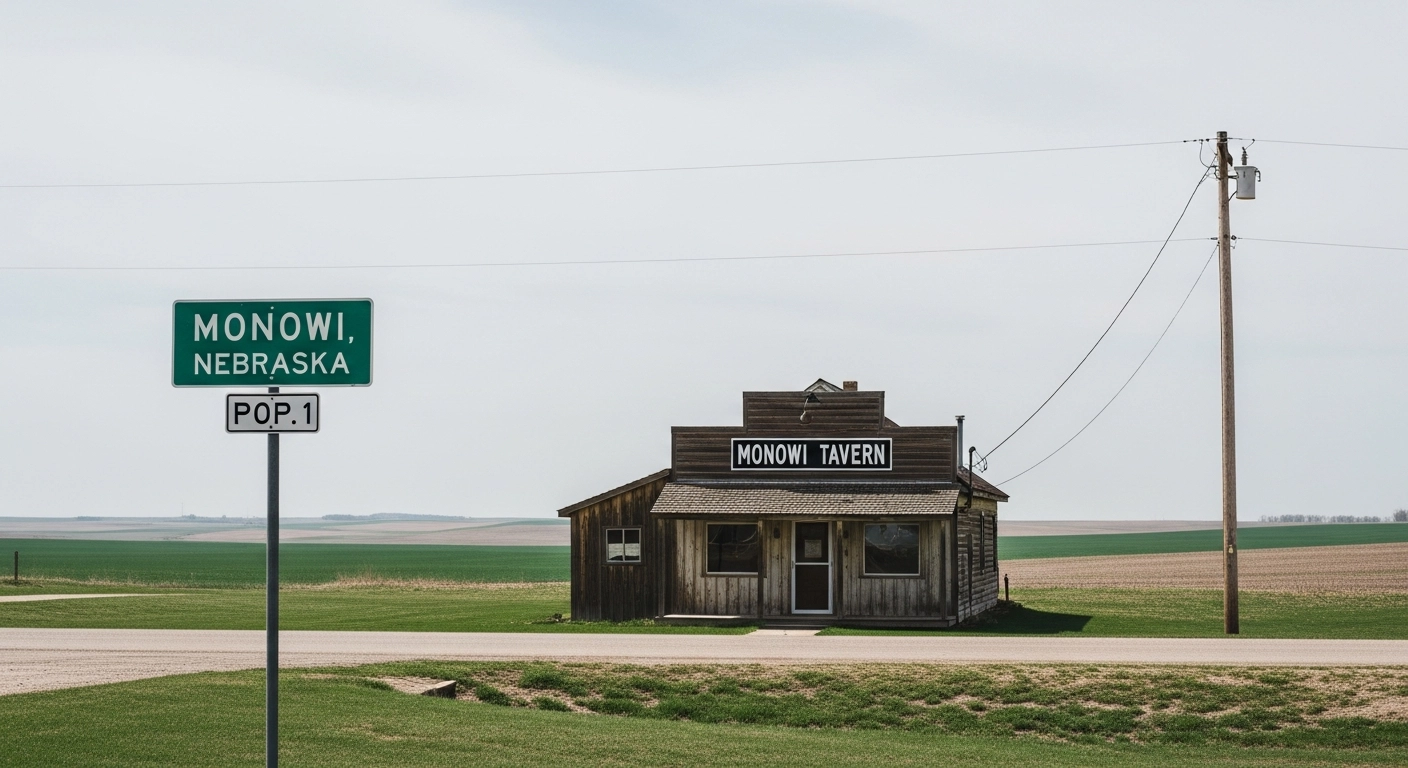
It sits in the National Radio Quiet Zone to protect a massive space telescope. If you turn on a wireless router, the "Frequency Police" will literally track the signal to your front door because any interference ruins our view of the edge of the universe. This isn't the plot of a sci-fi novel, but the stark reality of Green Bank, West Virginia, a place where your phone becomes a glorified paperweight and the hum of modern life falls eerily silent. My journey there was driven by morbid curiosity: could an American town truly function without the ubiquitous digital tether? The answer, as I discovered, is a resounding and profoundly unnerving yes.
Stepping into Green Bank felt like time-traveling back a few decades, not just in technology, but in pace. The initial jolt of digital deprivation quickly gives way to a strange sense of calm, a stark contrast to the constant buzz of notifications we’ve all grown accustomed to. Forget about checking emails or scrolling through social media; here, even the microwave in your rental cabin is probably a relic from the 80s, modified to prevent signal leakage, or simply absent altogether. This isn't a quaint marketing gimmick; it’s a federal mandate protecting an astronomical marvel that's literally listening to the universe. Pitfall number one for the unprepared traveler: assuming a cellular data connection will miraculously appear. It won't. Pre-download every map, book, and playlist you think you’ll need, because once you’re within a few miles, your device is effectively bricked.
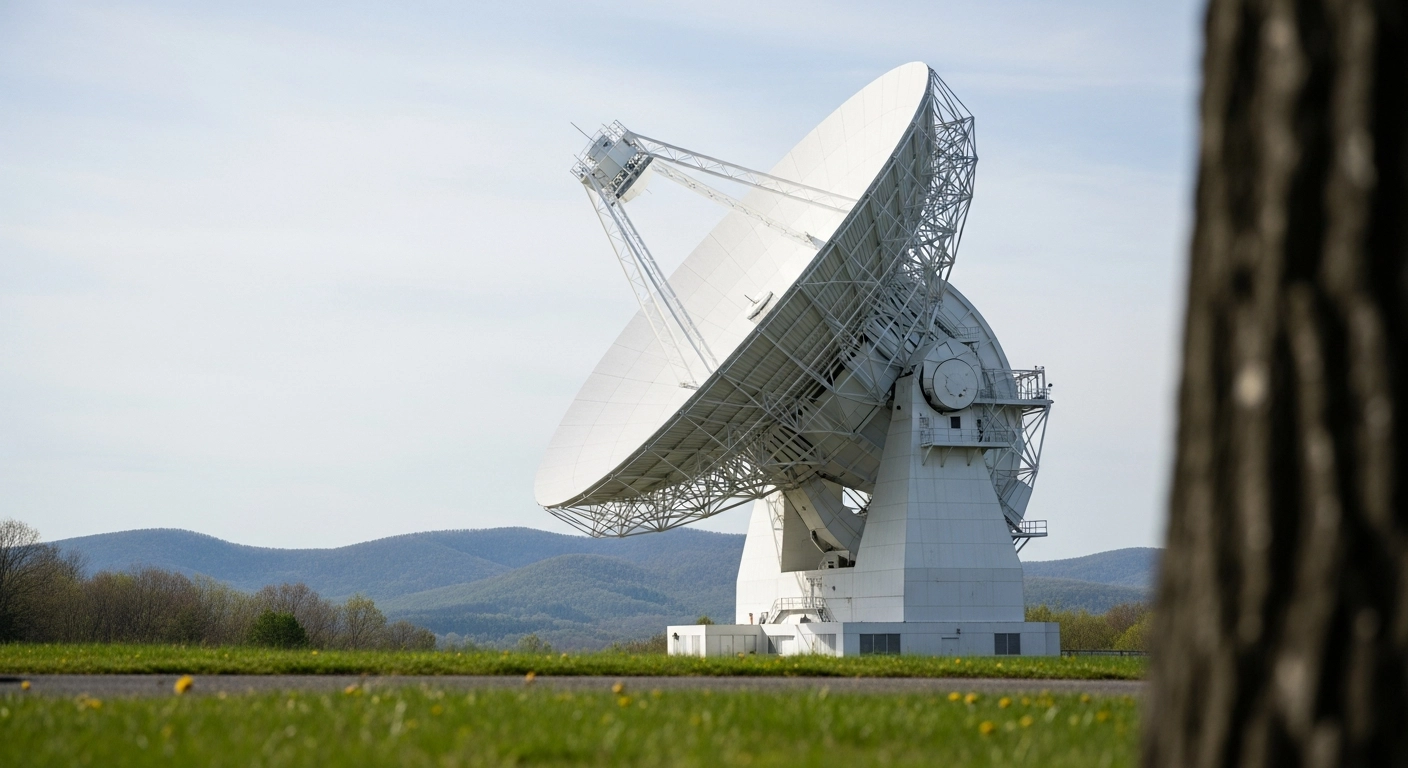
The core reason for Green Bank’s peculiar existence is the Green Bank Telescope (GBT), an immense, steerable radio telescope, the largest of its kind in the world. It’s an ear pointed to the cosmos, so sensitive it can detect a cell phone signal from Mars. To ensure it hears only the whispers of distant galaxies and not your Netflix stream, a 13,000-square-mile National Radio Quiet Zone (NRQZ) was established in 1958. Imagine trying to hear a pin drop in an arena during a rock concert – that's what a rogue Wi-Fi signal does to the GBT. Analogies aside, the science here is truly mind-bending, and understanding this mission shifts the inconvenience from annoying to awe-inspiring. Money-saving tip: many of the best experiences here involve looking up, not down at a screen, making them inherently free.
One truly overlooked experience is simply visiting the Green Bank Observatory (GBO) itself. Tours take you right up to the base of the GBT, which is a humbling experience. These aren't your typical tourist buses; they're specially shielded "Faraday cage" vehicles to prevent their own electronics from interfering. The visitor center offers a fascinating, surprisingly digestible explanation of radio astronomy, complete with exhibits that show how much noise our everyday devices create. You'll leave with a profound respect for the scientists and technicians who work in this silent world, deciphering signals from the very edge of the universe, and perhaps even for the "Frequency Police" who ensure their work can continue.
Beyond the marvel of the GBT, the lack of light and radio pollution makes Green Bank an unparalleled destination for stargazing, a truly little-known and free experience. On a clear night, the Milky Way sprawls across the sky in a breathtaking tapestry rarely seen in our illuminated world. This is a moment where the silence feels less like a restriction and more like an invitation. During the March to June window, the spring air is often crisp and clear, perfect for night sky observations without the biting cold of winter or the thick humidity of high summer. Pair this with a daytime hike in the surrounding Monongahela National Forest, where cell signal scarcity is a blessing, forcing you to engage with the natural beauty of the Appalachian mountains.
Another unique facet is observing the local culture. How do people live and work in such a constrained environment? Many residents have become experts in wired connections, using ethernet cables where most of us would default to Wi-Fi. Doctors use old-school pagers, and home internet is delivered via fiber-optic cable, never wireless. Local diners serve up hearty, no-frills American fare, and conversations flow easily because no one is glued to their phone. It’s a subtle but powerful reminder of how we used to connect, and a rare glimpse into a community that prioritizes scientific discovery over digital convenience. Finding a local artisan shop selling handmade crafts, paid for with cash, feels like uncovering a hidden gem, often directly supporting the very people who navigate this unique lifestyle daily.
For American travelers considering this unique escape, the spring months (March-June) are ideal. The weather is generally mild, with average highs ranging from the mid-40s in early March to the low 70s by June, though mountain weather can be unpredictable, so pack layers and a rain jacket. Crowds are typically low, making for a tranquil experience before the peak summer vacation rush. Accommodation prices, especially for cabins or small motels, remain quite reasonable, offering significant savings compared to more popular destinations. Green Bank is also surprisingly accessible, a manageable 4-5 hour drive from major East Coast hubs like Washington D.C. or Pittsburgh, making it a perfect long weekend getaway for those looking to genuinely disconnect.
Ultimately, a trip to Green Bank is a forced digital detox, a journey into a parallel America where the rules of communication are fundamentally different. It forces you to look up, listen intently, and re-engage with your surroundings and companions in a way that modern travel often prohibits. The cost savings come not just from cheaper lodging, but from the inherent simplicity of a trip where digital distractions are removed, reducing impulse purchases and increasing genuine presence. Prepare thoroughly, embrace the silence, and you’ll find Green Bank isn't just a place with strange rules; it’s a profound experience that will reset your perspective on what "connection" truly means, both to the universe and to yourself.