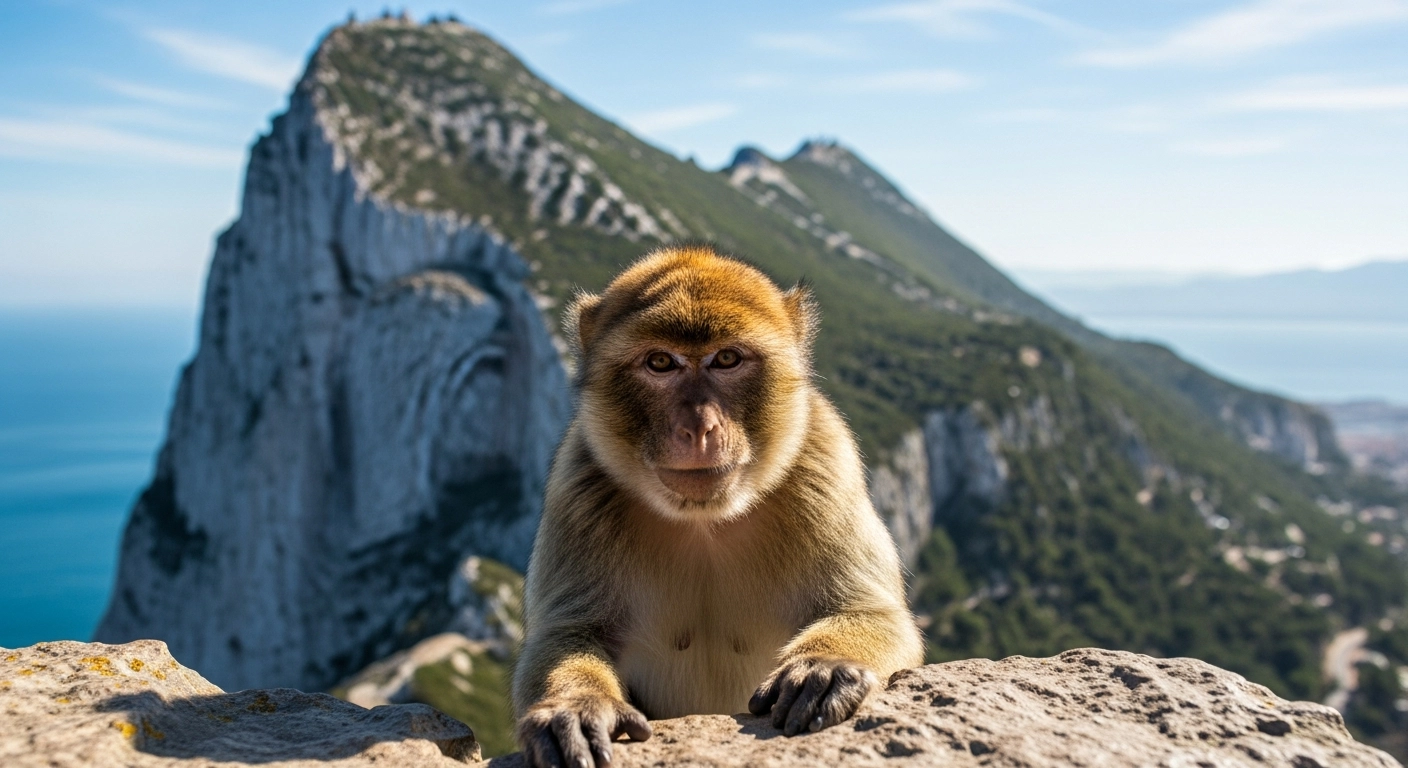
High up on the Rock of Gibraltar lives a colony of Barbary macaques. They aren't in a zoo; they are free-roaming residents who have learned how to open tourist backpacks and unwrap candy. Legend says as long as the monkeys stay, the British stay—so the monkeys are legally protected like royalty. And trust me, they know it. I found myself eye-to-eye with one, its nimble fingers already unzipping a side pocket, a clear message delivered without words: this is our mountain, you’re just visiting. It’s a sharp, hilarious reality check for anyone expecting a quaint British seaside town.
Getting to this peculiar outpost from the U.S. usually means an approximately 7-8 hour flight to Málaga, Spain (AGP), followed by a scenic, yet practical, 1.5 to 2-hour bus or rental car journey to La Línea de la Concepción, the Spanish town bordering Gibraltar. While you can fly directly into Gibraltar (GIB), those flights are far pricier and less frequent, typically connecting through the UK. Don't be fooled by the convenience; the bus from Málaga costs about €15 round trip, a fraction of the price of a connecting flight. Once you cross the border, which involves walking across the airport runway – yes, literally – you’re instantly in a different world, where red phone booths meet Mediterranean sunshine.
The best time to experience Gibraltar without battling the full force of summer crowds or the occasional winter squall is between March and June. During these months, the weather is pleasantly mild, averaging 60-75°F (15-24°C), perfect for hiking the Rock. You'll find fewer cruise ship passengers clogging the narrow streets and cable car queues are manageable, allowing for a more authentic, less frantic interaction with both the destination and its furry, thieving overlords. Hotel prices, while never dirt cheap in Gibraltar itself, are noticeably lower than peak season, with solid options around $100-150/night if booked a few months out.
Ignoring the direct path to the Upper Rock via the cable car, which costs a decent chunk at £18-34 for a return ticket, is your first budget hack. Instead, embark on the hike up. It’s a challenging but rewarding climb, saving you cash and offering incredible, uninterrupted views along the way, rather than being crammed into a gondola. Plan for at least 2-3 hours for the ascent, and bring plenty of water – the monkeys have no concept of sharing their mountain spring. A better option for those not wanting to hike the whole way is to take a local bus (Routes 1, 2, 3, or 4) to the Moorish Castle and start your ascent from there, cutting out some of the initial urban climb for a few pounds.
Once on the Upper Rock, beyond the infamous "Apes' Den" and its candy-seeking residents, there are genuine historical gems often overlooked by the selfie stick brigade. Veer off the main path to explore the Great Siege Tunnels. These aren't just narrow passageways; they're a marvel of 18th-century military engineering, carved by hand, offering a raw, visceral sense of Gibraltar's strategic importance. The entry fee is included in the 'Nature Reserve' ticket, which you’ll need to access most of the Upper Rock anyway (around £13-16 for adults, depending on if you buy online or at the entrance). It’s a compelling contrast to the sun-drenched views outside, a testament to human resilience under extreme duress.
Another lesser-known spot is St. Michael's Cave. While popular, many rush through it. Instead, take time to appreciate the cathedral-like formations and the natural acoustics, which are so perfect they occasionally host concerts within the cave itself. The lighting is stunning, transforming the ancient stalactites and stalagmites into glowing, otherworldly structures. It’s an almost spiritual experience, a silent, subterranean world a million miles away from the chattering macaques above ground.
For a unique perspective, skip the often-crowded Skywalk and head directly to Europa Point. This southernmost tip of Gibraltar offers panoramic views across the Strait of Gibraltar to North Africa, a truly dramatic visual metaphor for the meeting of continents. It’s breezy, typically less crowded, and home to the historic Trinity Lighthouse and a mosque that peacefully coexists with the British colonial architecture. It costs nothing to visit, providing incredible photo opportunities and a sense of vast global connection without the commercial hustle of the Upper Rock. It's a poignant reminder that while Gibraltar is small, its position makes it a colossal landmark.
Food in Gibraltar can be a bit of a hit or miss, often reflecting standard British pub fare at inflated prices. Your best bet for budget-friendly and authentic local eats is to venture slightly away from Main Street. Look for smaller, family-run cafes or 'tapas' bars tucked into side alleys. You can find surprisingly good fish and chips or a hearty full English breakfast for £8-12. Pack a few snacks from a Spanish supermarket across the border before you enter Gibraltar; prices for essentials like water and fruit are significantly lower there, saving you a few pounds each day. Just remember to keep those snacks deep in your bag when the monkeys are around, perhaps sealed in an extra ziplock as a last line of defense. They are surprisingly resourceful.
The journey time from the US, considering flight, transfer, and border crossing, means you should allocate at least 4-5 days for Gibraltar to truly appreciate its unique blend of history, nature, and, yes, primate politics. Anything less feels like a whirlwind, missing the layered contrasts that make this territory so compelling. You’ll leave not just with photos of the Rock, but with stories of its true, untamed residents, a travel tale far richer than any brochure could promise.