The shrill, urgent wail cuts through the ancient stones, echoing off palazzi and skipping across the water. It’s not a sound you expect in a city without roads, but there it is: an ambulance, sirens blaring, not on pavement but on water. You’ll see these high-speed "ambulance boats" tearing through Venice’s intricate canal network, cutting sharp corners at speeds that would make a land-based EMT blush. It’s a logistical flip that scrambles your brain: the fastest way to a hospital here isn't a van, it’s a speedboat, and frankly, it’s a terrifyingly efficient system. This city, built on water, has engineered survival around its liquid reality, proving that sometimes, breaking all the rules is the most logical path to safety.
Navigating this aquatic labyrinth requires a complete mental recalibration, not just for emergencies, but for everything from grocery deliveries to moving furniture. You quickly realize that if something doesn't float, it doesn't move. Forget about a quick cab ride; here, your options are your feet, a vaporetto (water bus), or a water taxi – the latter being the equivalent of calling an Uber Black for its eye-watering cost. Walking, however, is your most reliable and cheapest friend, but be warned: Venice is a master of misdirection, and getting "lost" isn't a cliché, it's a daily occurrence, often leading to delightful discoveries but occasionally just to another dead-end canal.
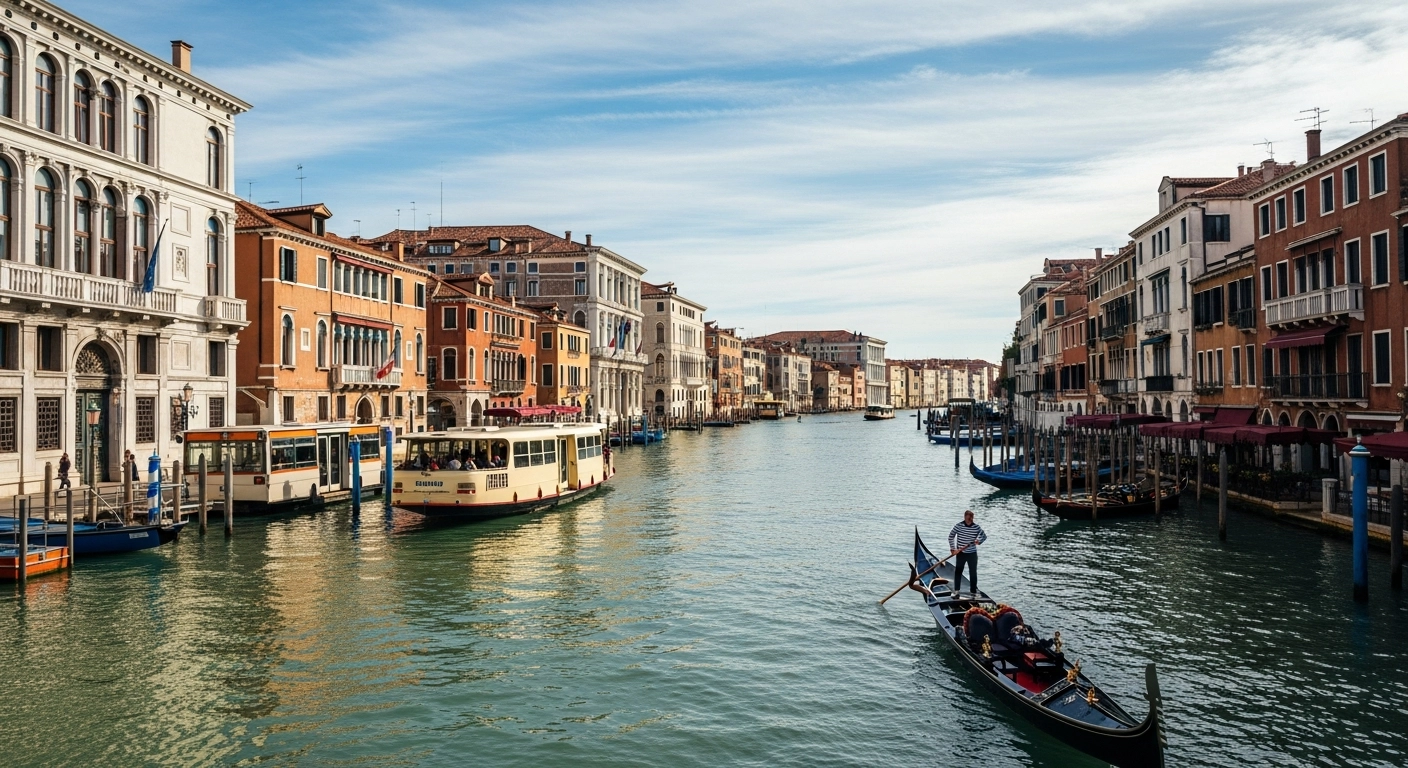
For American travelers, the sticker shock of a Venetian dream can quickly turn into a financial nightmare if you’re not prepared. Ditching the €20 pasta dishes near St. Mark's Square is step one. Instead, embrace the bacari culture: small, unassuming bars serving cicchetti (Venetian tapas) and cheap wine. A few euros can get you a delicious bite and a glass of local vino. Seek out the Rialto Market for fresh produce, cheeses, and cold cuts, perfect for a picnic by a quiet canal. And when it comes to accommodation, seriously consider staying in Mestre on the mainland. A 10-minute train ride separates you from Venice island, and that separation often translates to hundreds of dollars in savings per night. You commute in like a local, which, in a city so defined by tourism, offers a refreshing contrast.
Escaping the suffocating crowds, especially during the peak spring months, is essential for truly experiencing Venice. Beyond the well-trodden paths to St. Mark's and Rialto, lies the Cannaregio sestiere. Here, you’ll find the historic Jewish Ghetto, bustling local shops, and authentic eateries where Venetian is spoken more often than English. Or head to Castello, the largest and least touristy district, offering serene squares (campos), hidden gardens, and the impressive Arsenale (ancient shipyards) where the Venetian Republic’s naval power was forged. These are places where life feels lived, not performed for tourists, offering a genuine glimpse into the city’s soul.
Another overlooked gem is the Squero di San Trovaso, one of the last remaining traditional gondola workshops. From the canal, you can observe master craftsmen meticulously building and repairing the iconic black boats. It’s a quiet, almost meditative scene, a testament to a dying craft that keeps Venice's heart beating. For a truly unique adventure that gets you on the water without the gondola price tag, consider a rowing lesson. Learning to row a traditional Venetian boat, even just for an hour, offers an unparalleled perspective of the city's waterways and a workout that beats any gym.
Visiting between March and June offers a spectrum of experiences. March can be cool, even chilly, but the absence of crushing crowds and lower prices for flights and accommodation make it a budget traveler’s dream. By April and May, the weather is often perfect – warm, sunny, and ideal for wandering – but these months also usher in the peak tourist season, sending prices soaring and crowds swelling, especially around Easter and the Biennale Art Exhibition preview. June is warm, humid, and very crowded, making longer days for exploring, but also pushing your patience and budget. From the U.S., plan for an 8-10 hour flight to Italy, plus connections, meaning a solid day of travel and a battle with jet lag before you even sniff a canal.
Don't underestimate the sheer amount of walking you'll do. Those charming bridges have steps, lots of them, and your feet will thank you for wearing proper, broken-in walking shoes. A vaporetto pass for multiple days is a wise investment, especially if you plan on visiting the outer islands like Burano or Torcello – small, colorful fishing villages that offer a stunning contrast to Venice proper, less crowded than Murano, and brimming with unique charm. And always, always have an offline map. Cell service can be spotty in the narrow alleys, and getting lost without a digital lifeline is a special kind of challenge. Venice defies logic at every turn, from its ambulance system to its very existence, yet it works. It’s a city that continuously proves its own impossible truth, inviting you to witness its defiance, one waterborne emergency, one quiet canal, one perfect cicchetto at a time.