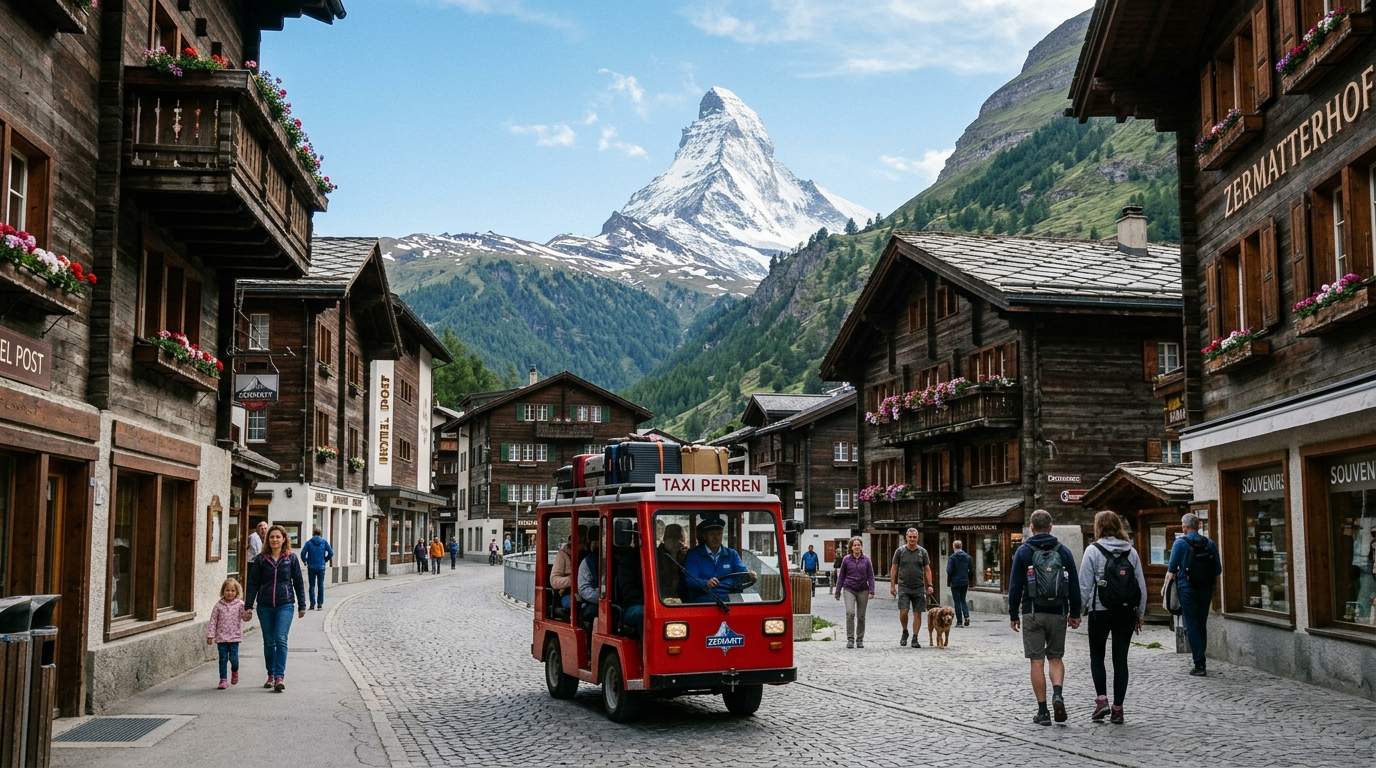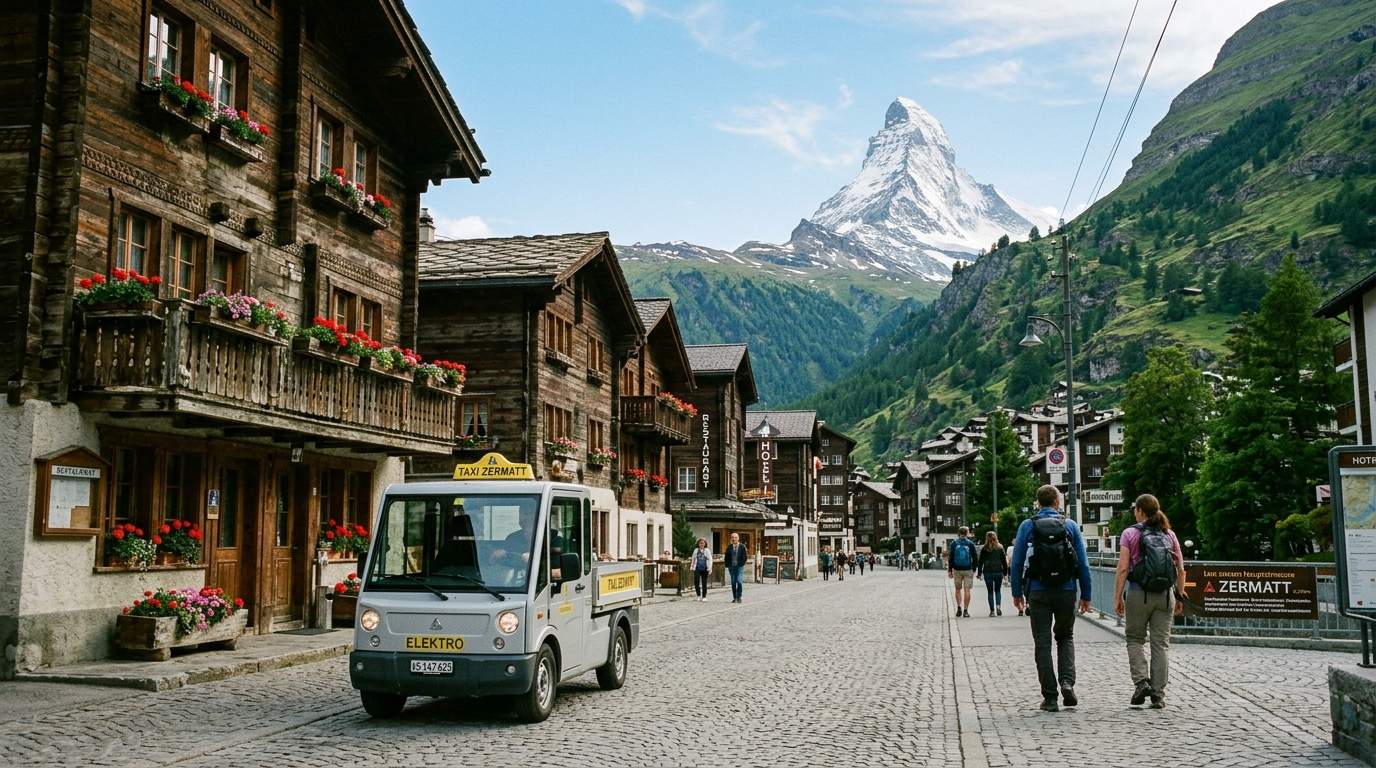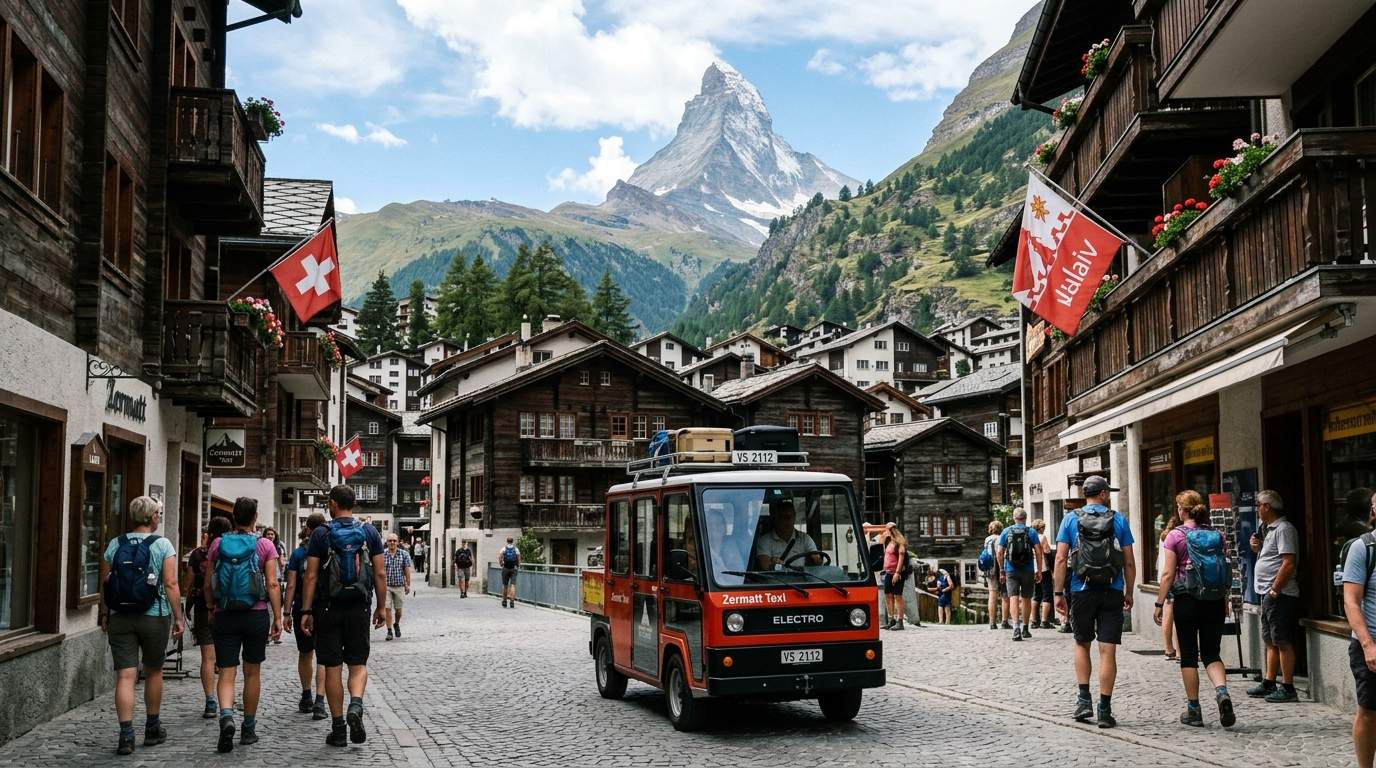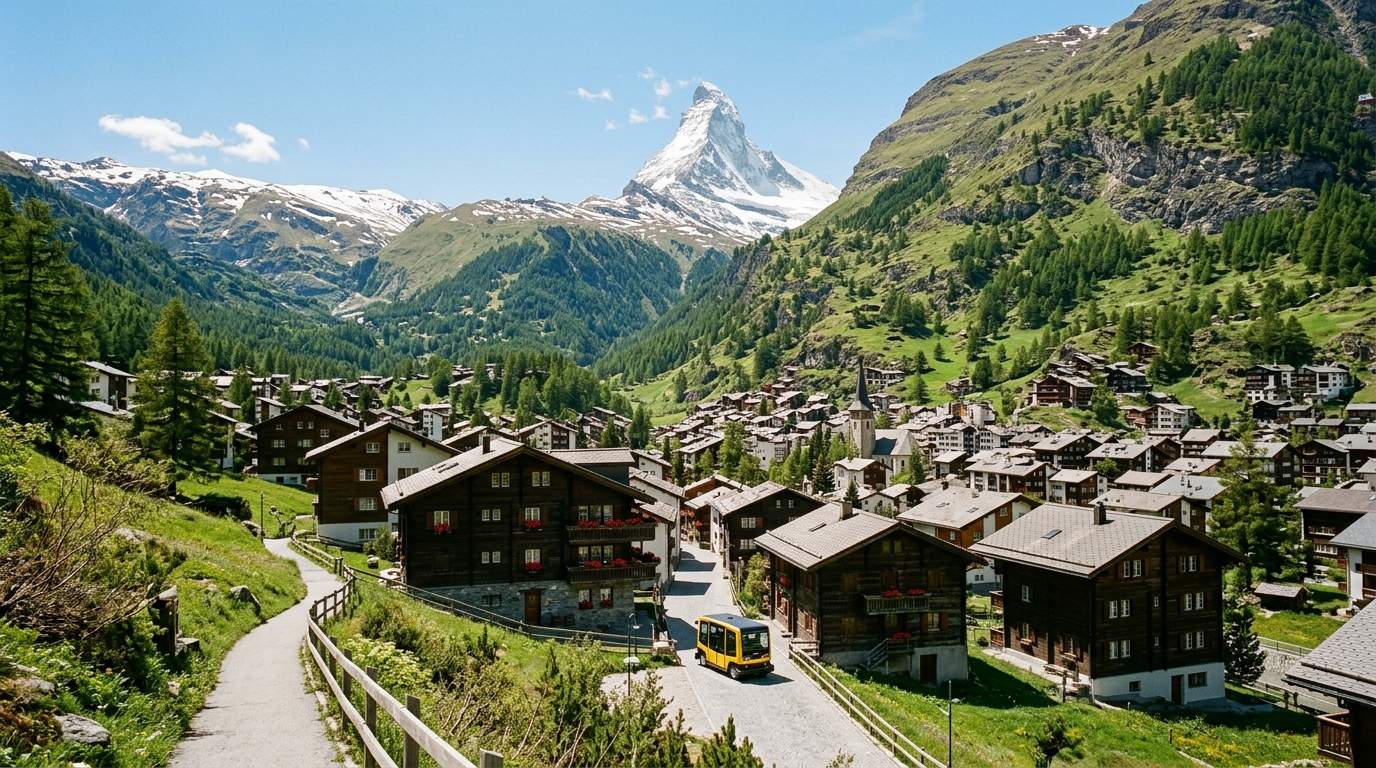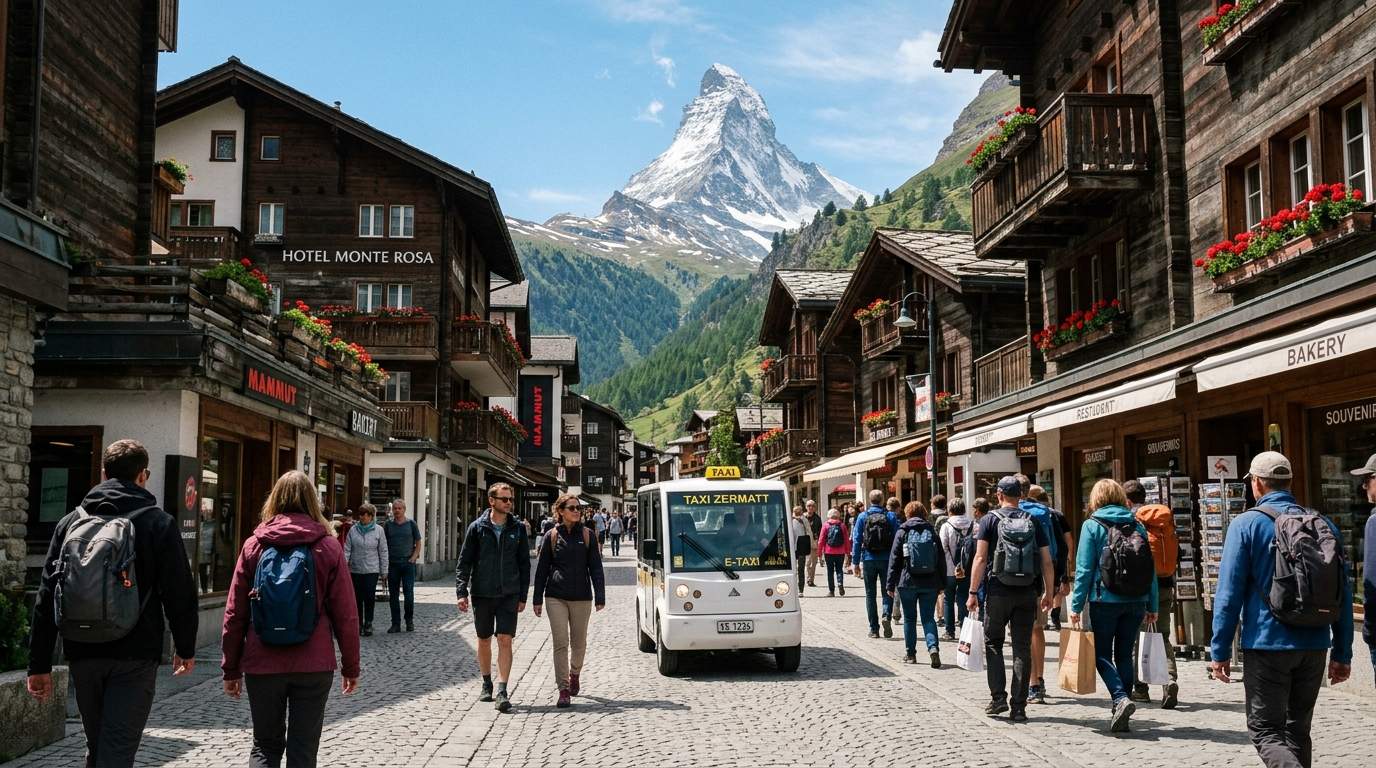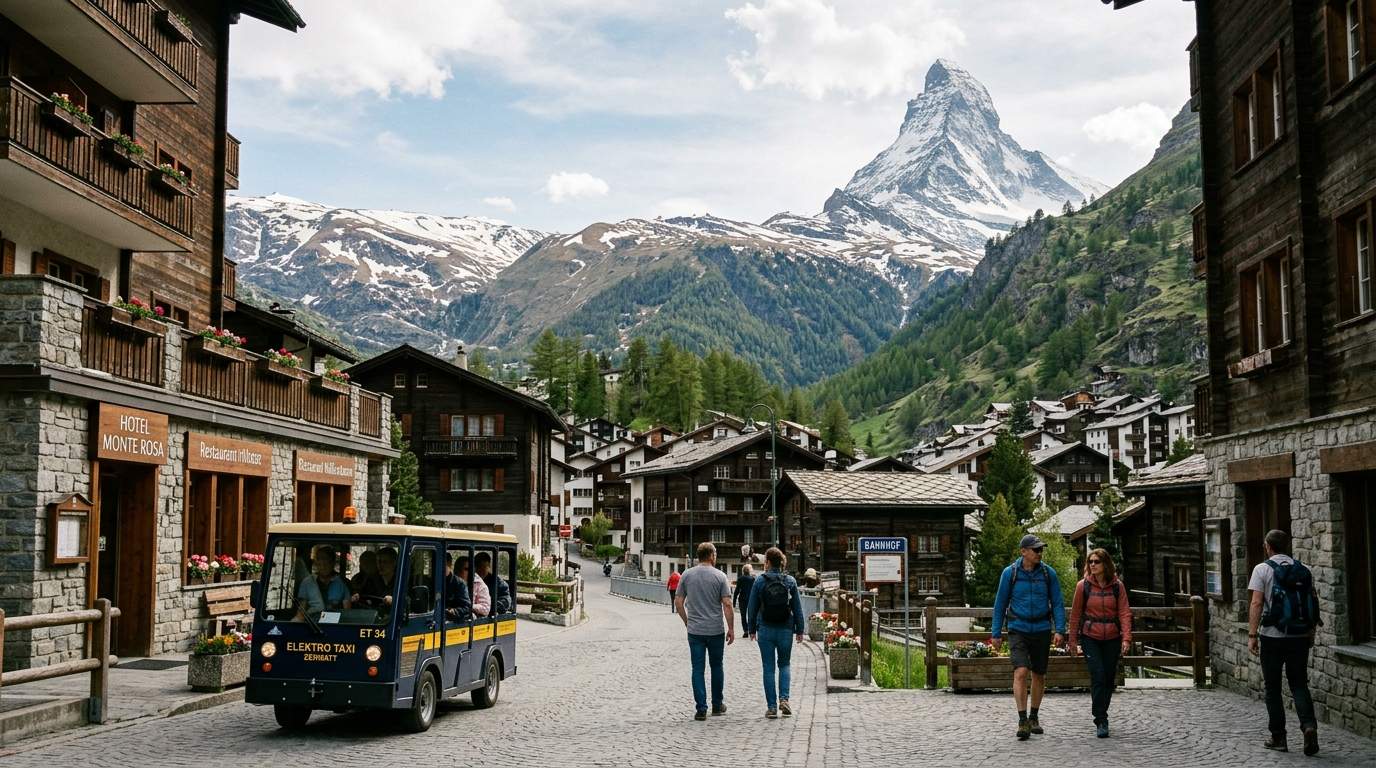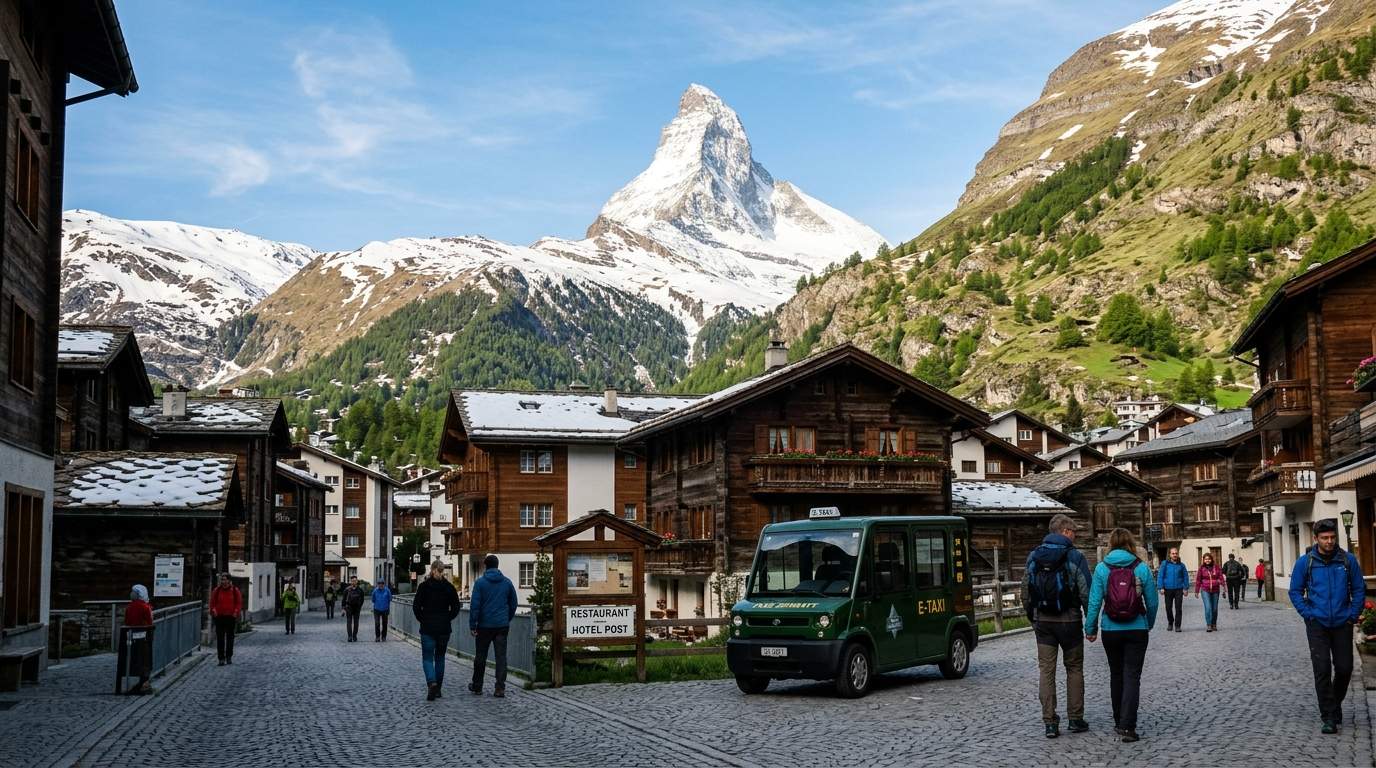
To keep the air crystal clear, Zermatt banned all combustion engines back in 1966. You have to park your car miles away and take a train in, where the only vehicles allowed are tiny, silent, box-shaped electric taxis that look like they belong in a 1970s sci-fi movie. This bizarre, beautiful anomaly is Zermatt, Switzerland, and it’s a revelation. For American travelers used to navigating everywhere by car, the initial thought of being forced to abandon your wheels at Täsch and proceed by rail might sound like an unnecessary hassle. But trust me, that forced detachment is precisely what preserves Zermatt's magic, transforming a potential logistical headache into the core of its serene, unforgettable charm.
The moment you step off the train into Zermatt, the air hits different. It's not just clean; it's practically distilled, smelling of pine and crisp mountain snow, devoid of the exhaust fumes we subconsciously accept as part of urban life. The only sounds are church bells, distant cowbells, the occasional whir of an electric taxi, and the cheerful chatter of hikers. These quirky little electric buggies, resembling something out of a Wes Anderson film if he directed a futuristic Alps movie, zip silently through the streets, serving as the town’s only motorized transport. They are an immediate, visual testament to Zermatt's unwavering commitment to its pristine environment, a stark and refreshing contrast to any other bustling European town.
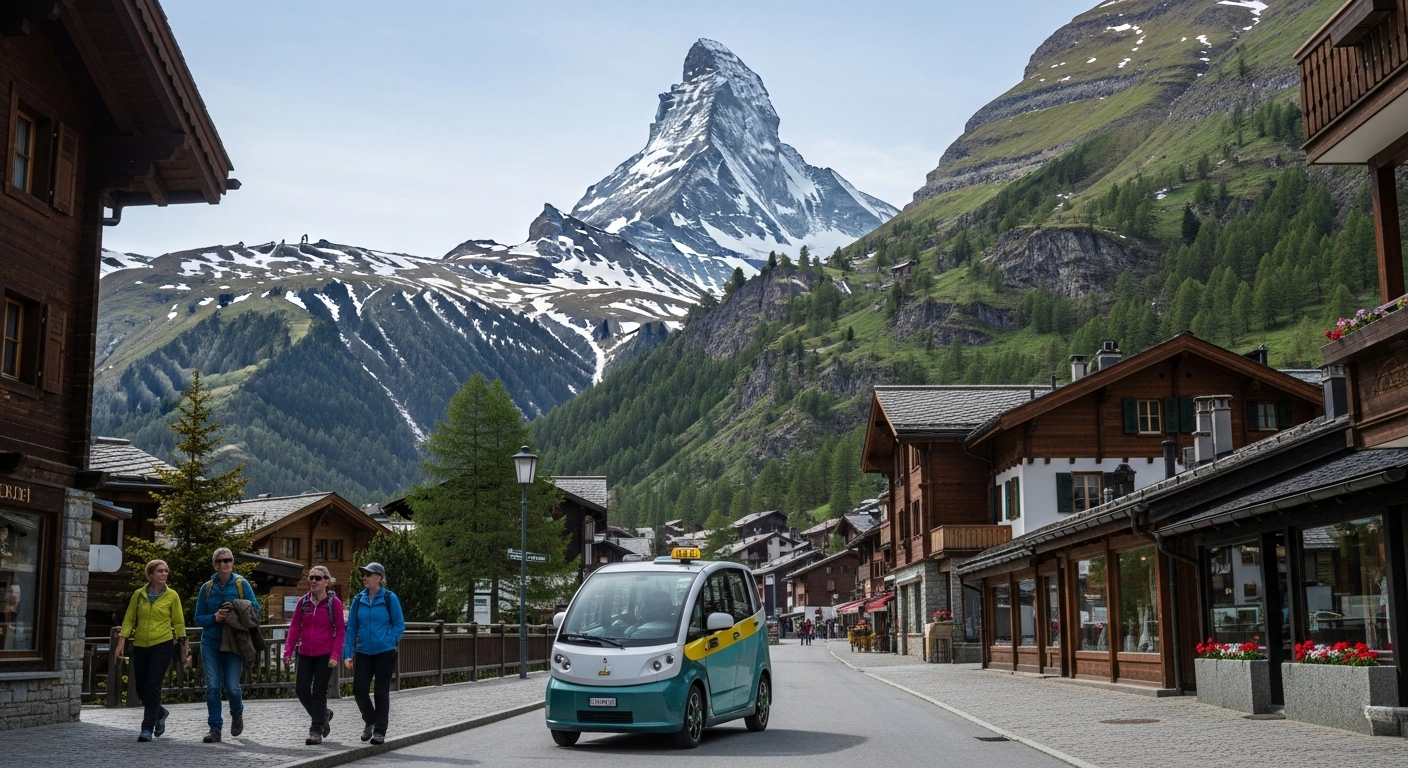
Timing your visit to this car-free wonderland significantly impacts both your experience and your wallet. For American visitors aiming to stretch their dollars without sacrificing the alpine dream, target the shoulder seasons of April and May. March still clings to late winter, with moderate crowds and prices, offering excellent late-season skiing, but expect colder temperatures and heavy snow. By April, the valleys begin their dramatic thaw, trails open up at lower altitudes, and the crowds thin considerably. May is arguably the sweet spot: wildflowers burst into color, the sun warms the days, and you can hike glorious trails with fewer people, all while enjoying some of the year’s best value on accommodation and activities. June transitions into early summer, bringing more warmth and the full opening of higher-altitude trails, but also heralds the return of larger crowds and higher prices. Weather can be fickle in the Alps, so pack layers and be prepared for anything, even a late spring snow shower.
Switzerland isn't exactly renowned for its budget-friendly backpacking hostels, and Zermatt, with its iconic Matterhorn views, proudly leans into its premium reputation. Yet, debunking the myth that Switzerland is exclusively for the ultra-rich is entirely possible. Your biggest ally in Zermatt will be the local supermarkets like Coop or Migros. Stock up on bread, cheese, local cured meats, and chocolate for picnic lunches that come with million-dollar views, saving you a fortune compared to mountain restaurants. Look for accommodation with kitchenettes; even a small studio apartment can drastically cut down your food expenses. A Swiss Travel Pass, while an upfront cost, can pay dividends by covering your train journey to Zermatt (usually from Zurich or Geneva, a scenic 3.5-4 hour ride from major airports) and offering discounts on many of the mountain railways and cable cars.
Beyond the Matterhorn’s ever-present majesty, Zermatt offers experiences that often get overlooked in the rush to scale peaks. Venture into the Gorner Gorge, a natural marvel just a short walk from town. This ancient, narrow chasm, carved by the Gornervispe river, offers a dramatic, surprisingly intimate encounter with nature via wooden walkways, providing stunning views of the swirling turquoise waters and sculpted rock formations. It’s a sensory escape, relatively inexpensive, and usually far less crowded than the main Matterhorn viewing platforms.
Another hidden gem is the leisurely loop around Leisee. Instead of just taking the funicular up to Sunnegga and back, walk down to Leisee, a small, tranquil lake perfect for a picnic, with playgrounds for kids and, crucially, a stunning reflection of the Matterhorn on clear days – often calmer than the more famous Stellisee. From there, you can hike back towards Sunnegga or explore further. For a truly unique local experience, embark on a scavenger hunt for the Walliser Schwarznasenschaf – the adorable, shaggy-haired Valais Blacknose sheep. These charismatic animals, with their distinctive black faces and spiral horns, are a symbol of the region. Hiking routes around Findeln or above Zermatt often lead to pastures where these gentle giants graze, offering a photo opportunity and a memory far more authentic than any souvenir shop could provide.
Finally, to truly appreciate the historical context of this pristine town, dedicate an hour to the Matterhorn Museum Zermatlantis. Located underground, it's a surprisingly engaging delve into Zermatt's past, from its humble farming origins to the dramatic tales of early mountaineering, including the tragic first ascent of the Matterhorn. It offers a fascinating counterpoint to the natural beauty above, providing context for the town's unique development and its enduring commitment to preserving its natural heritage. The journey from the U.S. typically involves a transatlantic flight to Zurich (ZRH) or Geneva (GVA), followed by a scenic train ride directly to Zermatt. It’s a multi-modal adventure, a true European experience that begins long before you even see the Matterhorn.
Zermatt isn't just a destination; it's a statement. The ban on cars isn't an inconvenience; it's a gift, preserving a slice of alpine paradise that feels both timeless and forward-thinking. It forces you to slow down, breathe deeply, and fully immerse yourself in the awe-inspiring beauty of the Alps, reminding you that sometimes, the greatest adventures begin when you leave the familiar behind—including your car.