Imagine pulling up to a border crossing, only there isn’t one. You’re ostensibly in Germany, yet the currency in your wallet, the one that makes sense everywhere else in the country, is suddenly about as useful as monopoly money. This isn’t some obscure travel riddle; this is Büsingen am Hochrhein, a German town that exists as a complete island inside Switzerland, a bureaucratic masterpiece of international quirkiness. You call the police for assistance, and both German and Swiss units show up, scratching their heads over jurisdiction. It’s a place where geography and national identity decided to have a lively disagreement, and the result is one of Europe’s most fascinating, and frankly, hilarious, travel oddities.
Stepping into Büsingen is less like crossing a border and more like falling down a rabbit hole where Swiss Francs rule the German roost. Forget exchanging Euros at the border; this isn’t a suggestion, it’s a financial imperative. While some shops might begrudgingly accept Euros, the exchange rate will likely feel like a penalty for your financial naiveté. Your American dollars will first need to become Swiss Francs (CHF) to navigate Büsingen efficiently. For budget-conscious travelers, this means keeping a close eye on your spending, as Swiss prices, even for basic groceries, can induce a slight nosebleed compared to Germany proper. My advice? Withdraw CHF from a Swiss ATM before you arrive, or use a credit card with no foreign transaction fees, because relying on Euro cash here is a rookie mistake that will cost you.
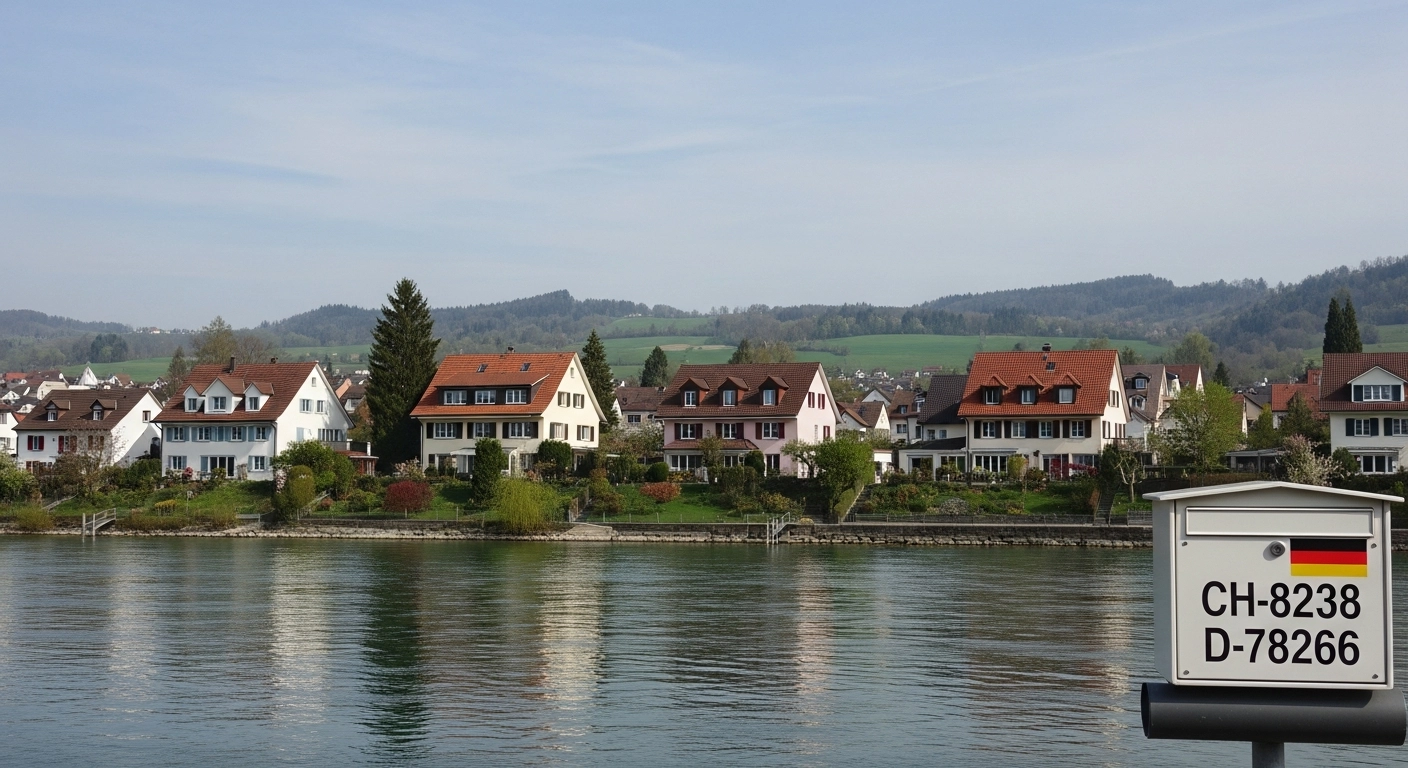
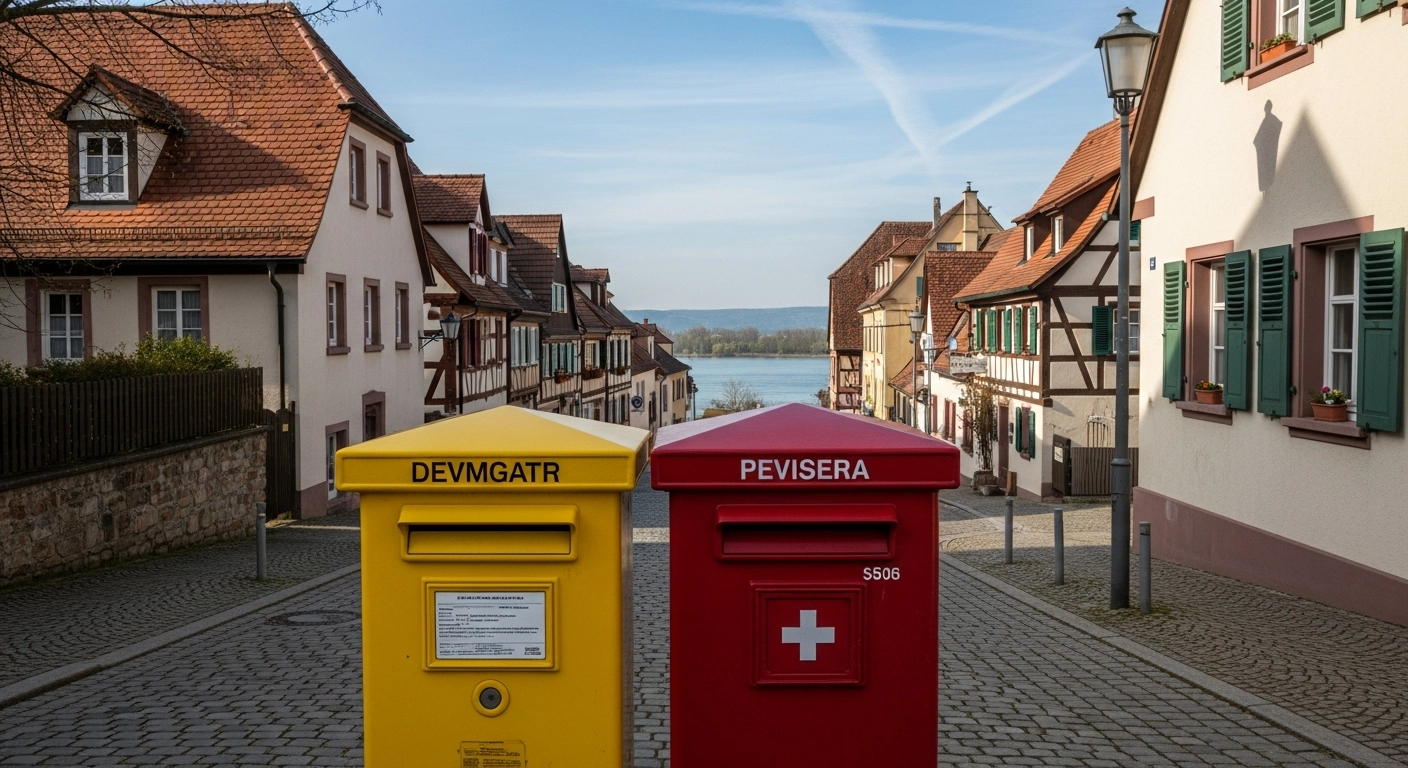
The administrative labyrinth of Büsingen is a story unto itself. Residents here boast two postal codes – one Swiss (CH-8238) and one German (D-78266) – and if you need to make a phone call, you’ll be dialing Switzerland’s +41 country code, even though legally, you’re in Germany. This dual identity isn't just for show; it dictates everything from vehicle registration (Büsingen cars sport unique German license plates with "BÜS" prefix, but are functionally tied into Swiss customs for easier border crossing) to how local services are accessed. It’s like watching a real-life political experiment unfold, a tiny German chameleon constantly adapting to its Swiss environment, a fascinating study in shared sovereignty and practical compromise.
Getting to Büsingen between March and June offers the best balance of pleasant weather and manageable crowds. Flying into Zurich (ZRH) is usually the most straightforward for American travelers, then it's a scenic hour-long train ride to Schaffhausen, Switzerland. From Schaffhausen, you can easily bus, cycle, or even walk into Büsingen. If you’re driving, the journey through the rolling Swiss countryside is beautiful, and you’ll simply cruise into Büsingen without a blink, a testament to the seamless, often invisible, nature of this particular international boundary. This shoulder season avoids the summer crush and allows for comfortable outdoor exploration without the chill of early spring or the full heat of July.
One of Büsingen's most overlooked experiences is simply appreciating its tranquil setting along the Rhine River. Unlike the more celebrated, often crowded, sections of the Rhine, Büsingen offers serene stretches perfect for walking, cycling, or just sitting by the water. The paths wind through lush greenery, past charming houses, and provide uninterrupted views of the river. It’s a quiet eddy in a fast-flowing geopolitical river, a place where you can genuinely slow down and appreciate the picturesque landscape without the throngs of tourists. Bring a good pair of walking shoes and a picnic; it’s a free and deeply rewarding way to soak in the atmosphere.
Beyond the Rhine, Büsingen holds a small but proud viticultural tradition. The Rebberg Büsingen vineyards, perched on gentle slopes overlooking the river, produce local wines that are a genuine discovery. Most visitors zip through without realizing they can stop for a tasting or purchase a bottle directly from a small, family-run vineyard. This is a chance to taste the unique terroir that benefits from both German winemaking heritage and the microclimate influenced by the nearby Bodensee. It’s a truly local experience, far removed from the mass-produced wines you might find elsewhere. Keep an eye out for small signs pointing to "Weingut" or "Rebberg" for this hidden gem.
While Büsingen itself is a peaceful retreat, its immediate proximity to Schaffhausen, Switzerland, and the majestic Rhine Falls (Rheinfall) makes it an ideal base for exploring a truly spectacular natural wonder. The Rhine Falls, Europe's largest waterfall, are just a short drive or bus ride away. Witnessing the sheer power of the falls, especially in late spring when the snowmelt swells the river, is breathtaking. Don’t fall into the trap of only viewing them from one side; crossing the river by boat (a paid experience) or exploring both banks offers different perspectives. Remember that the falls are a major tourist magnet, so budget for potential parking fees and entrance tickets to specific viewing platforms or castles. Combining the quiet charm of Büsingen with the dramatic spectacle of the falls creates a perfectly contrasting travel itinerary.
March through June offers ideal weather for cycling through the region’s picturesque landscapes, with temperatures ranging from cool to pleasantly warm. Early March might still have a chill, but by April, the flowers are blooming, and by June, you’ll enjoy long, bright evenings. Accommodation prices, while influenced by Swiss costs, can be more reasonable in Büsingen itself or in smaller German towns across the "true" border than in Schaffhausen. Expect overall travel costs to be slightly higher than in Germany but potentially lower than deep within Switzerland, depending on your choices. Remember to factor in around 8-10 hours of actual flight time from the East Coast of the U.S., plus connecting travel to reach this unique enclave.
Büsingen isn't just a geographical anomaly; it's a living testament to cross-border cooperation and the subtle art of existing between two worlds. It debunks the myth that borders are always hard lines and bureaucratic nightmares, showcasing a place where shared utilities, currencies, and even policing are negotiated with a pragmatic shrug. It’s not just a German town in Switzerland; it’s a travel experience that will genuinely make you question everything you thought you knew about international boundaries. If you're tired of predictable itineraries and crave a story you can't tell without a good chuckle, Büsingen is your next absurd adventure, a place that makes perfect sense only when you're standing right in the middle of its beautiful, bewildering reality.