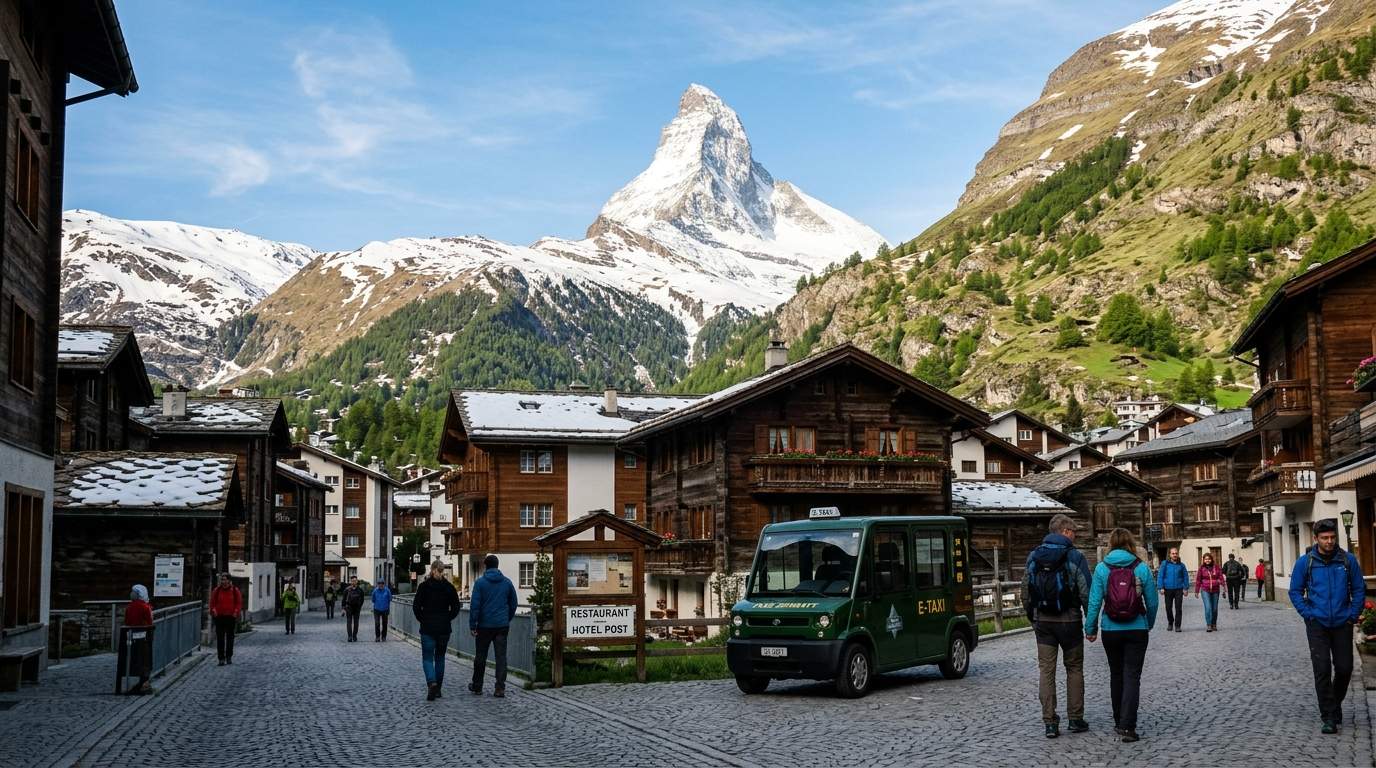
The salt air was thick enough to chew, a damp blanket of Atlantic fog that turned the West Quoddy Head Lighthouse into a ghostly, red-and-white striped hallucination. I stood on the jagged black rocks of the shoreline, the very first person in the United States to feel the damp heat of the sun breaking through the mist, though I couldn't actually see the orb itself. There was a profound, ringing silence here, broken only by the rhythmic slap of the tide and the occasional mournful groan of a distant foghorn. In that moment, perched on the literal edge of the country, the frantic noise of New York and the polished artifice of Southern Maine felt like they belonged to a different planet entirely.
Walking into a local shack that looked like it might collapse into the harbor at any moment, I realized my coastal Maine stereotypes were about to be shattered by a hand-written chalkboard menu. I ordered two whole lobsters, steamed in seawater and served on a dented metal tray with a side of drawn butter that looked like liquid gold. The total came to eighteen dollars—less than what I’d paid for a mediocre burger and fries at a highway rest stop in Massachusetts the day before. The owner, a man whose skin looked like weathered teakwood, grunted when I expressed my shock at the price. "Summer folk pay for the view down south," he said, wiping a counter that hadn't seen polish since the Reagan administration. "Here, you're just paying for the gas in the boat."
Staying in Lubec requires you to abandon any hope of finding a boutique hotel with a pillow menu or a concierge who knows the difference between a latte and a macchiato. I checked into a modest, wood-shingled inn overlooking the narrows for $125 a night, a price that would barely get you a broom closet in Bar Harbor during the peak season. My room smelled faintly of cedar and old books, and the "amenities" consisted of a rocking chair on the porch and a view of the whirlpools forming in the channel as the tide rushed in. It’s the kind of place where you don't book a room; you book a temporary reprieve from the twenty-first century, and you do it without the "resort fees" that haunt the more polished coastal towns.
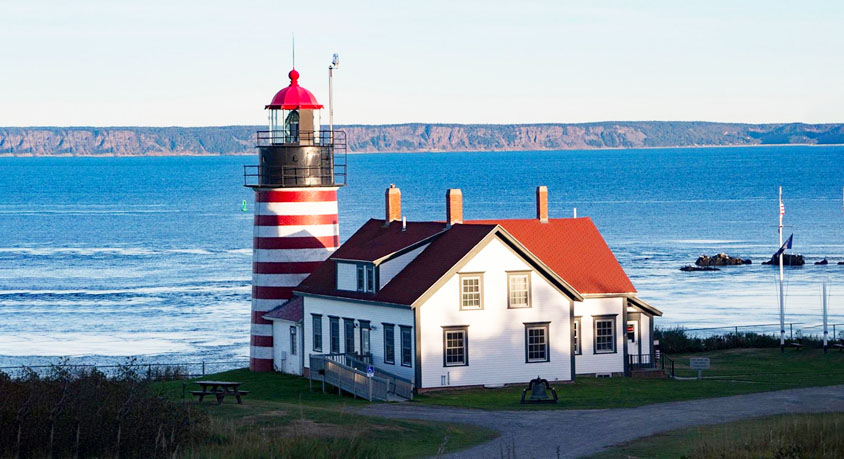
Navigating this corner of Washington County is an exercise in slow-motion travel, mostly because the roads are winding and the scenery is a constant distraction. There are no ride-share apps here; if you don't have a car, your primary mode of transportation is a sturdy pair of boots or the goodwill of a local with a pickup truck. I spent three days wandering the "Bold Coast" trails without seeing another human being, which made the lack of a public transit system feel like a feature rather than a bug. Parking is free everywhere—a concept that would make a developer in Portland weep—and the only "traffic" I encountered was a family of deer deciding whether or not to cross the road near the bog.
Exploring the Hamilton Cove Preserve at dawn allowed me to witness a landscape that felt entirely prehistoric, with stunted mossy trees and dramatic cliffs that plunged into the grey Atlantic. I followed a narrow, overgrown path down to a secluded pebble beach where the rocks were translucent and the tide pools were teeming with miniature life. This isn't a "manicured" nature experience; there are no railings, no interpretive plaques, and no souvenir stands selling "I Survived Lubec" t-shirts. It’s a raw, free-of-charge immersion into the North Atlantic that provides more cultural clarity than any ticketed maritime museum could ever hope to manufacture.
I arrived from Philadelphia—a six-hour drive from the nearest major airport—in late May, expecting a gentle spring, only to be met with a "Maine drizzle" that lasted forty-eight hours and kept the temperature at a stubborn 52 degrees. By June, the lupines begin to carpet the fields in shades of violet and pink, and the black flies start their annual campaign of terror, which keeps the casual tourists at bay. The prices for lodging stay remarkably flat compared to the volatile swings of Southern Maine, but you pay for the tranquility in travel time; it is a long, deliberate journey to get this far "Down East."
Lubec is the place you go when you realize that the most expensive part of a vacation is usually the crowd, and you’re finally ready to stop paying for it. If you can handle the fog and the silence, you might just find that the edge of the world is exactly where you were supposed to be.