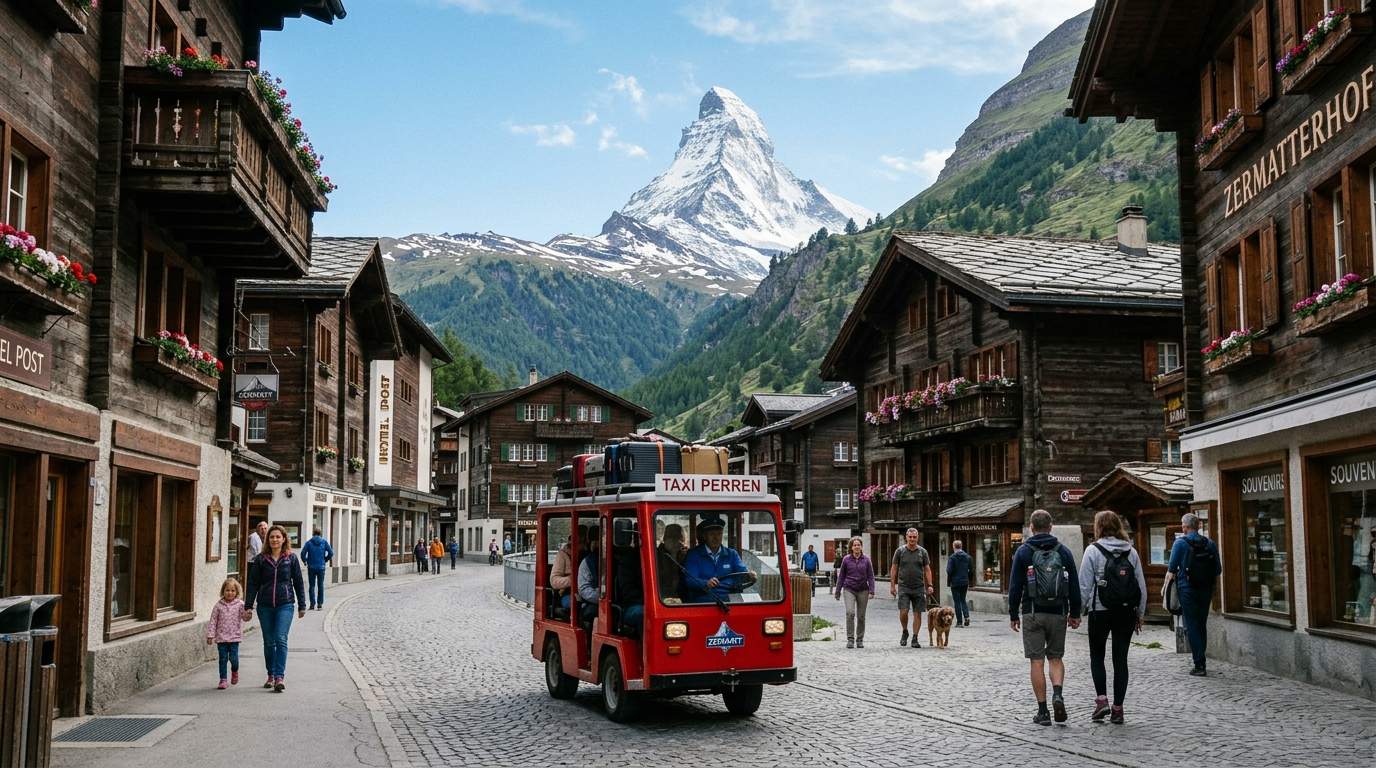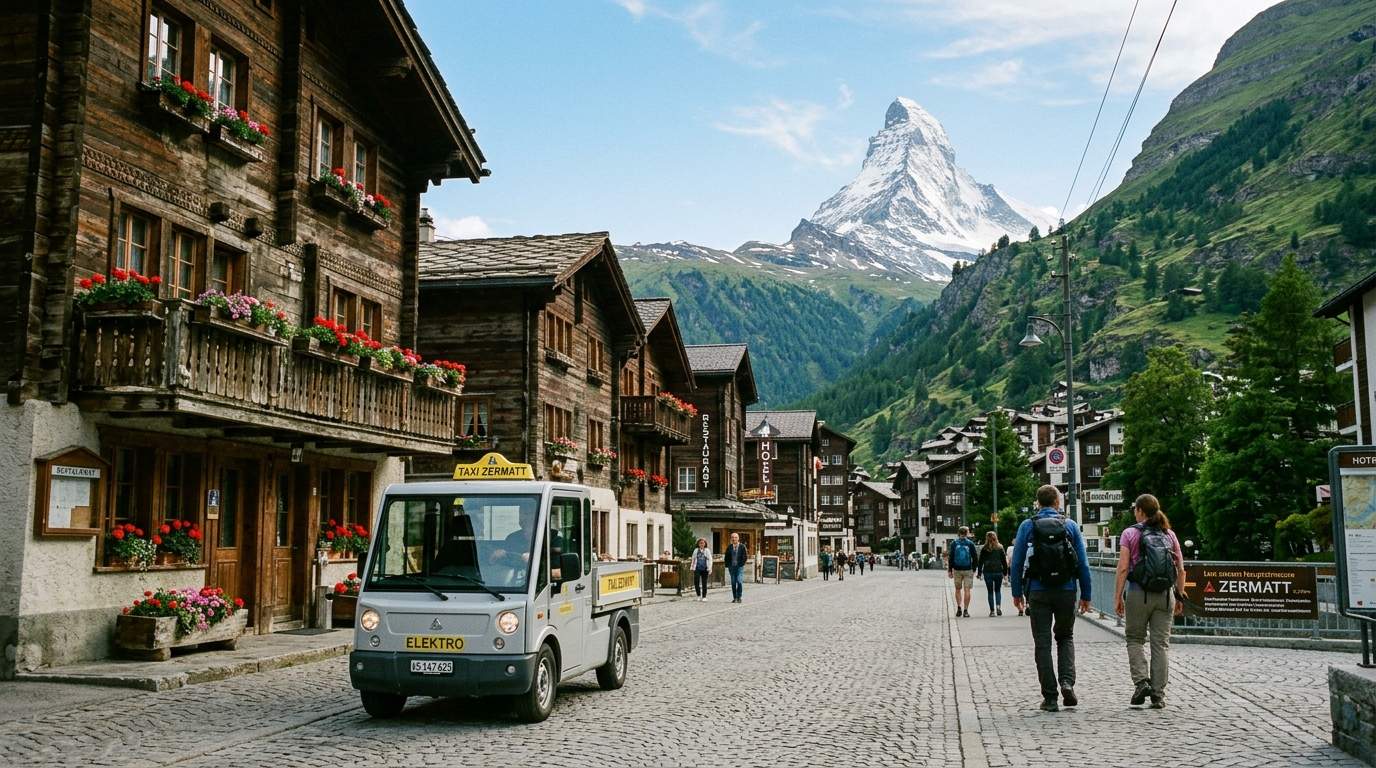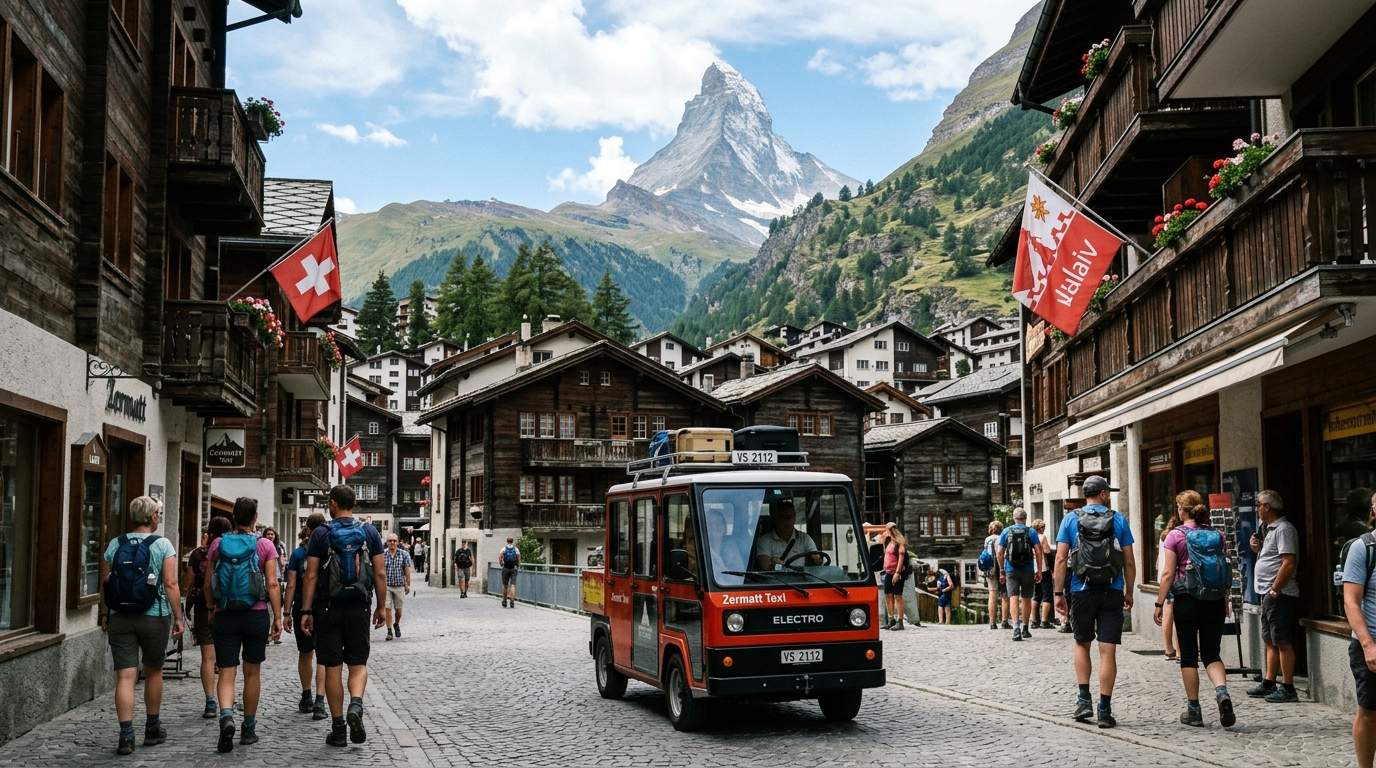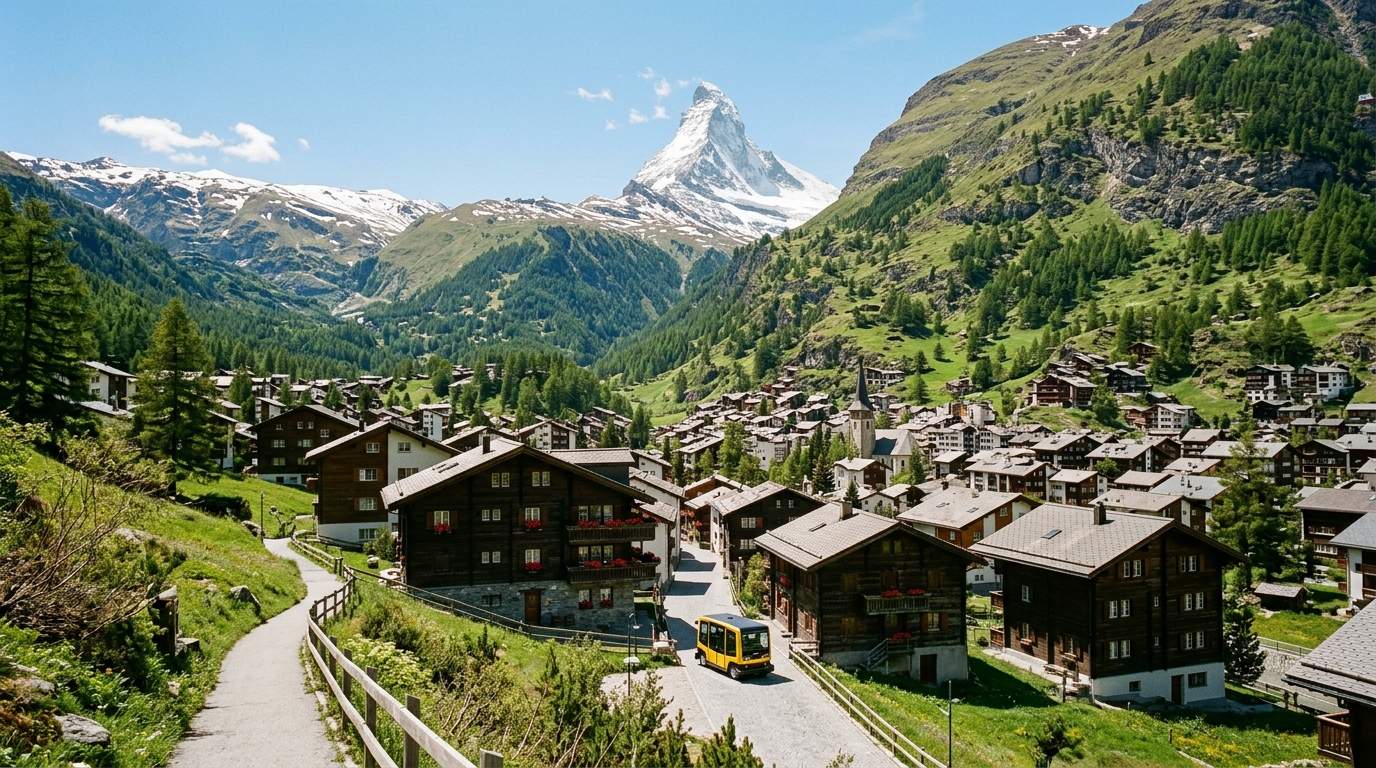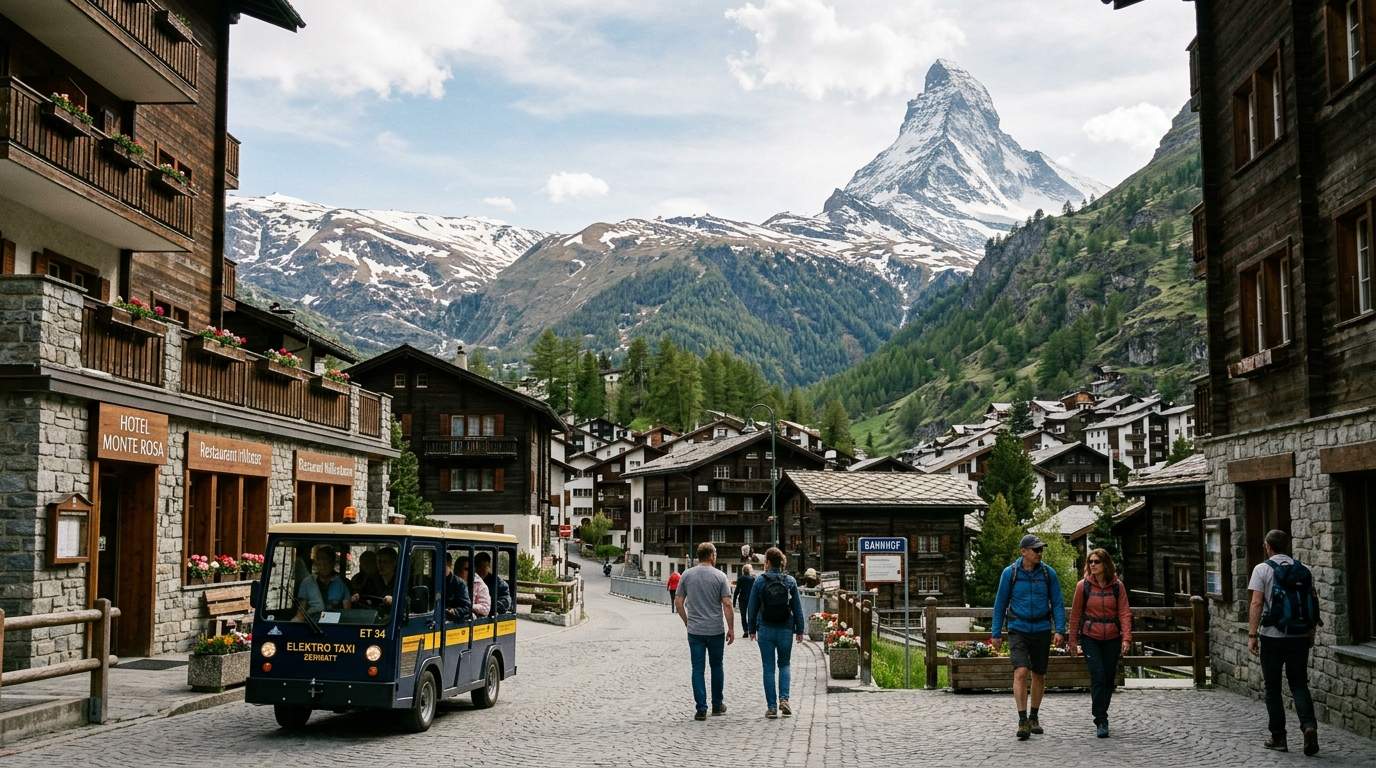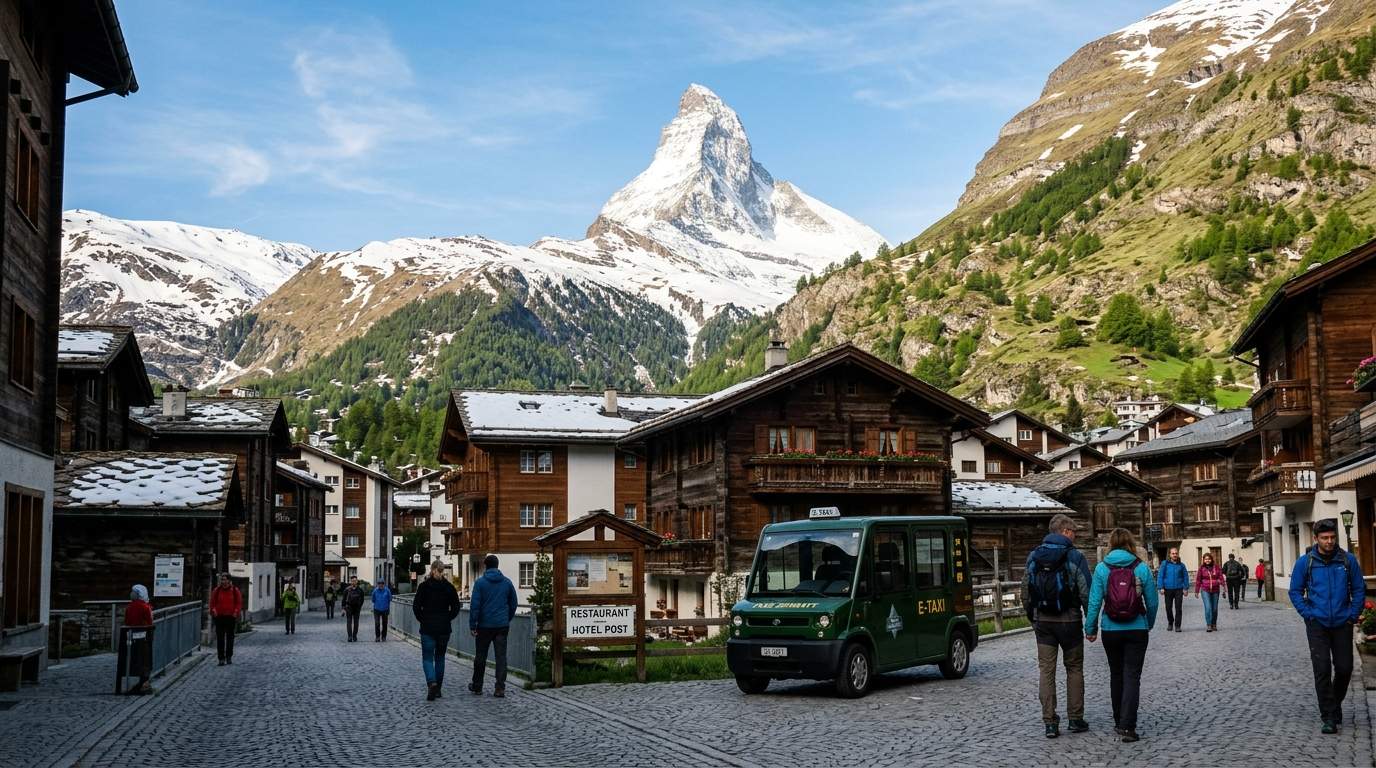
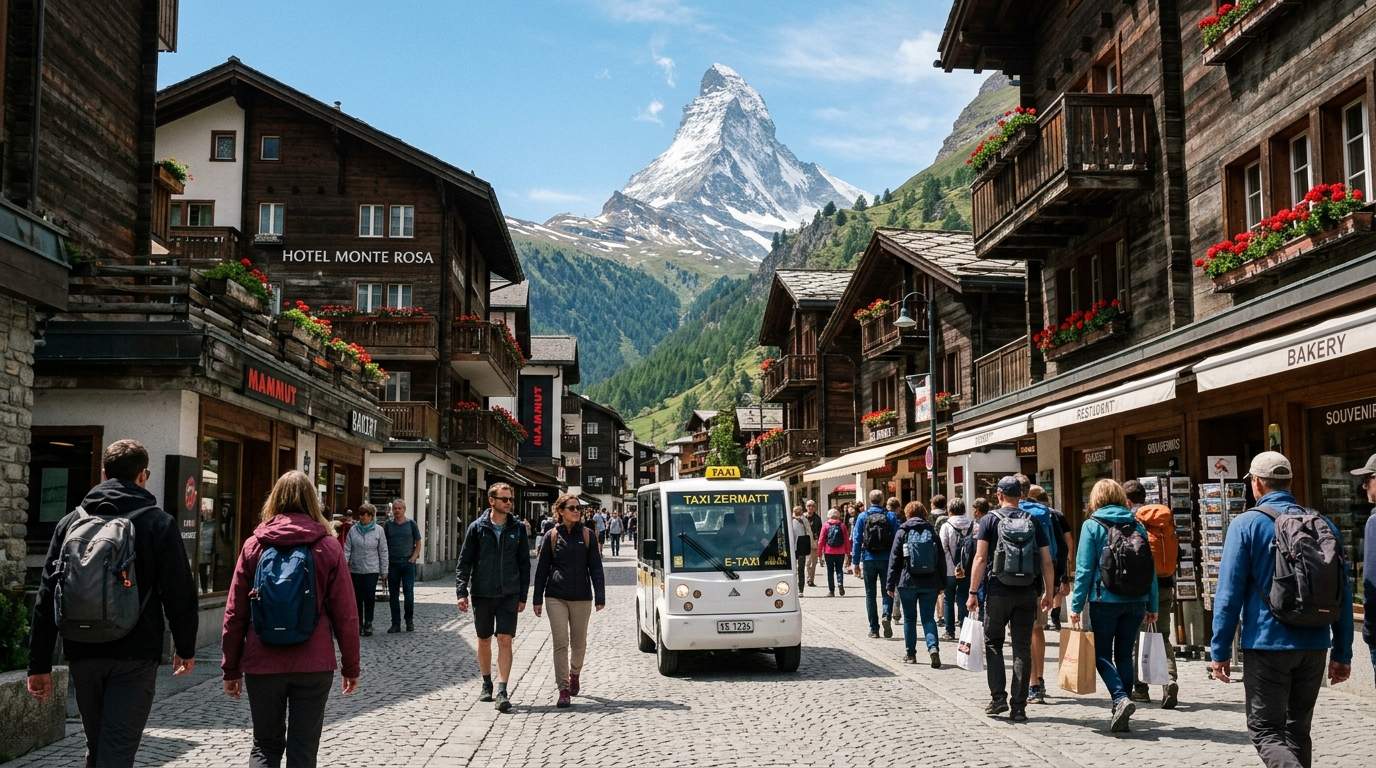
The first thing you realize upon arriving in Zermatt isn’t the crisp mountain air, nor the colossal Matterhorn looming into view. It’s the utter, profound silence – a quiet so deep it feels almost unnatural for a bustling tourist hub. That's because, as of 1966, this iconic Swiss town decided it had had enough of noisy combustion engines. You park your regular car miles away in Täsch, board a train, and emerge into a world where the only vehicles allowed are tiny, silent, box-shaped electric taxis that look like they've driven straight off a 1970s sci-fi movie set. And if you think that sounds like a gimmick, just wait until you see the prices.
This radical automotive ban isn't just for show; it’s a commitment to preserving the pristine air and tranquility that define the Alps, a stark contrast to many other famous, vehicle-choked mountain resorts. It forces a different pace, a pedestrian-friendly existence that feels both archaic and futuristic. While those quirky electric taxis are undeniably convenient for shuttling luggage or tired legs between the train station and your hotel, they come with a hefty Swiss price tag – a short ride can easily set you back $25-$40, making walking the preferred (and free) mode of transport for anyone not on an unlimited budget.
Speaking of budgets, let's address the elephant in the room: Zermatt, like much of Switzerland, is not a cheap date. However, visiting between March and June offers a unique window for American travelers looking to experience its magic without entirely liquidating their savings. March is still firmly ski season, meaning higher prices and bigger crowds vying for the slopes. Come April and May, you hit the glorious shoulder season. The snow starts its majestic retreat, trails begin to emerge, and prices for accommodation and lift passes tend to dip, often significantly. This is when Zermatt transforms from a winter wonderland into a land of thawing glaciers, vibrant green valleys emerging from beneath white blankets, and the unmistakable scent of spring.
The trade-off for those lower prices is highly unpredictable weather. One day you might be basking in warm sunshine, hiking in a t-shirt; the next, a fresh blanket of snow could descend, reminding you this is still high-altitude alpine terrain. Layers are not a suggestion; they are your Zermatt uniform. For actual travel time from the U.S., plan on a good 10-15 hours door-to-door, usually involving a flight to Zurich or Geneva, followed by a scenic 3.5-4 hour train journey. The Swiss Federal Railways (SBB) are incredibly efficient, but a Swiss Travel Pass can be a budget-saver if you plan extensive train travel beyond Zermatt. Otherwise, book individual tickets well in advance for the best rates.
To truly hack Zermatt on a reasonable budget, your kitchen is your best friend. Restaurant meals can easily run $40-$80 per person for a modest dinner. Instead, hit up the local Coop or Migros supermarkets for fresh bread, cheese, local meats, and produce. Pack substantial lunches for your hikes – those $20 sandwiches at mountain restaurants quickly add up. Consider staying in an apartment with a kitchen or a hostel with cooking facilities. It might feel less glamorous than a chalet, but your wallet will thank you.
Now, for those less-beaten paths that most tourists overlook while fixated on the Matterhorn's classic view from Gornergrat: First, consider the Schwarzsee walk. Take the gondola up to Schwarzsee Paradise and from there, embark on a relatively easy, mostly flat walk around the serene lake. On a calm day, the reflection of the Matterhorn in its dark waters is arguably more stunning and certainly less crowded than the more famous vistas. You get a unique, almost ethereal perspective without the mass of camera-wielding tourists.
Another understated gem is a partial hike on the Hörnlihütte trail. While the full ascent to the Matterhorn base camp is for serious mountaineers, you can take the cable car to Schwarzsee, then hike a portion of the trail that leads towards the Hörnli Ridge. Even going for an hour or two offers a radically different perspective of the Matterhorn – you’re not just admiring it from afar, you’re walking towards its raw, imposing face, feeling its sheer scale up close. It’s wilder, quieter, and deeply humbling, without needing any technical gear. Just sturdy hiking boots and common sense.
For an experience that costs next to nothing, explore the Gorner Gorge. Located a short walk from the edge of town, this natural marvel features wooden walkways suspended over a roaring glacial river carving its way through ancient rock. The entrance fee is minimal ($5-$10), and it offers a dramatic, cooling escape, especially on a warmer day. It's a completely different kind of beauty than the high alpine peaks, showcasing the relentless power of nature at ground level.
Finally, for something lighter and truly unique for the season, check out the Sunnegga “Marmot Trail.” Take the funicular up to Sunnegga, and from there, you’ll find a well-marked, family-friendly loop trail specifically designed for spotting marmots. These shy, adorable creatures emerge from hibernation in spring, and late May to June is prime viewing season. It’s a gentle hike offering fantastic views back towards the Matterhorn and a chance to connect with Zermatt’s quieter, wilder side.
The biggest pitfall? Assuming the Matterhorn will be visible every single day. The "horn" is famously shy, often shrouded in clouds. Don't let it ruin your trip; embrace the moody atmosphere. Zermatt's car ban, its quaint electric vehicles, and its commitment to preserving the alpine environment create an unparalleled sense of peace and purity. It's a place that forces you to slow down, to walk, to breathe, and to truly appreciate the grand, raw beauty of the mountains – a trade-off that, despite the price tag, feels entirely worth it.