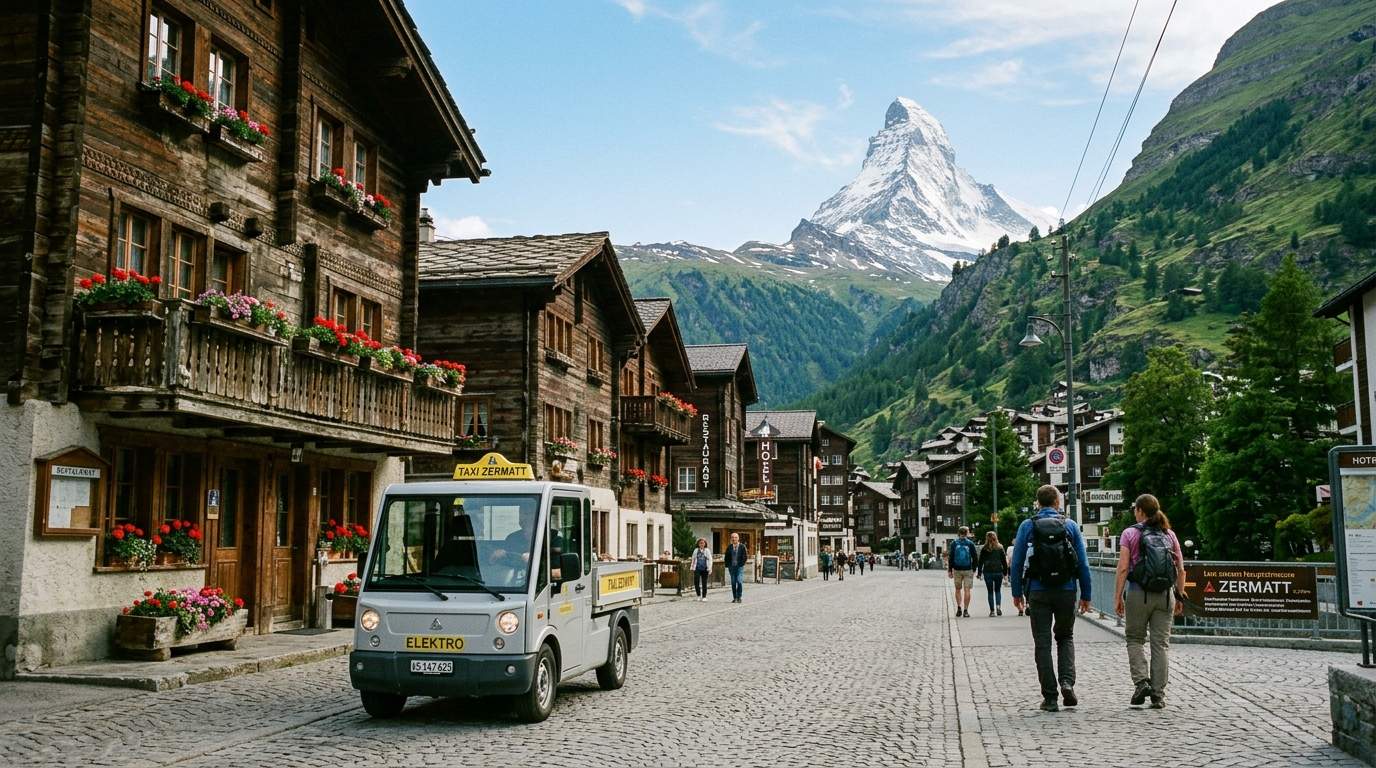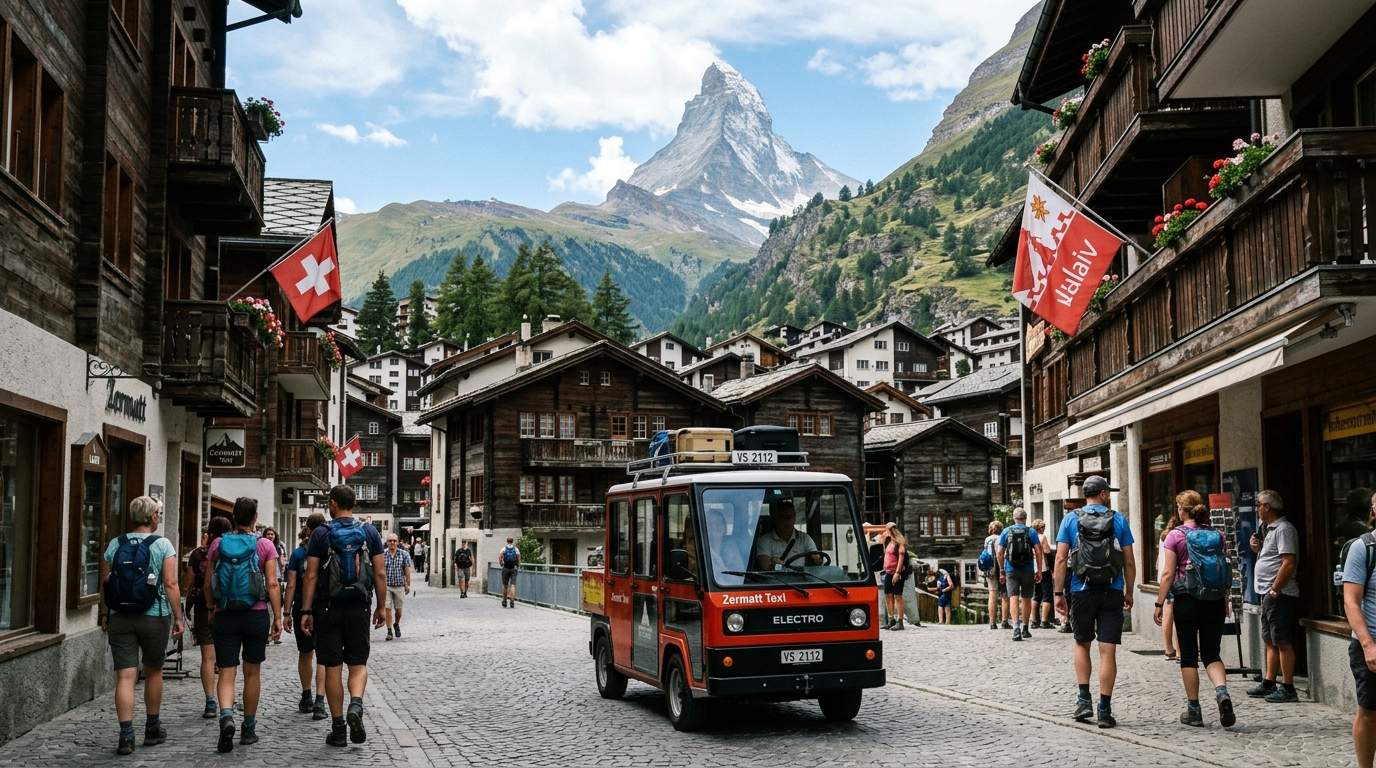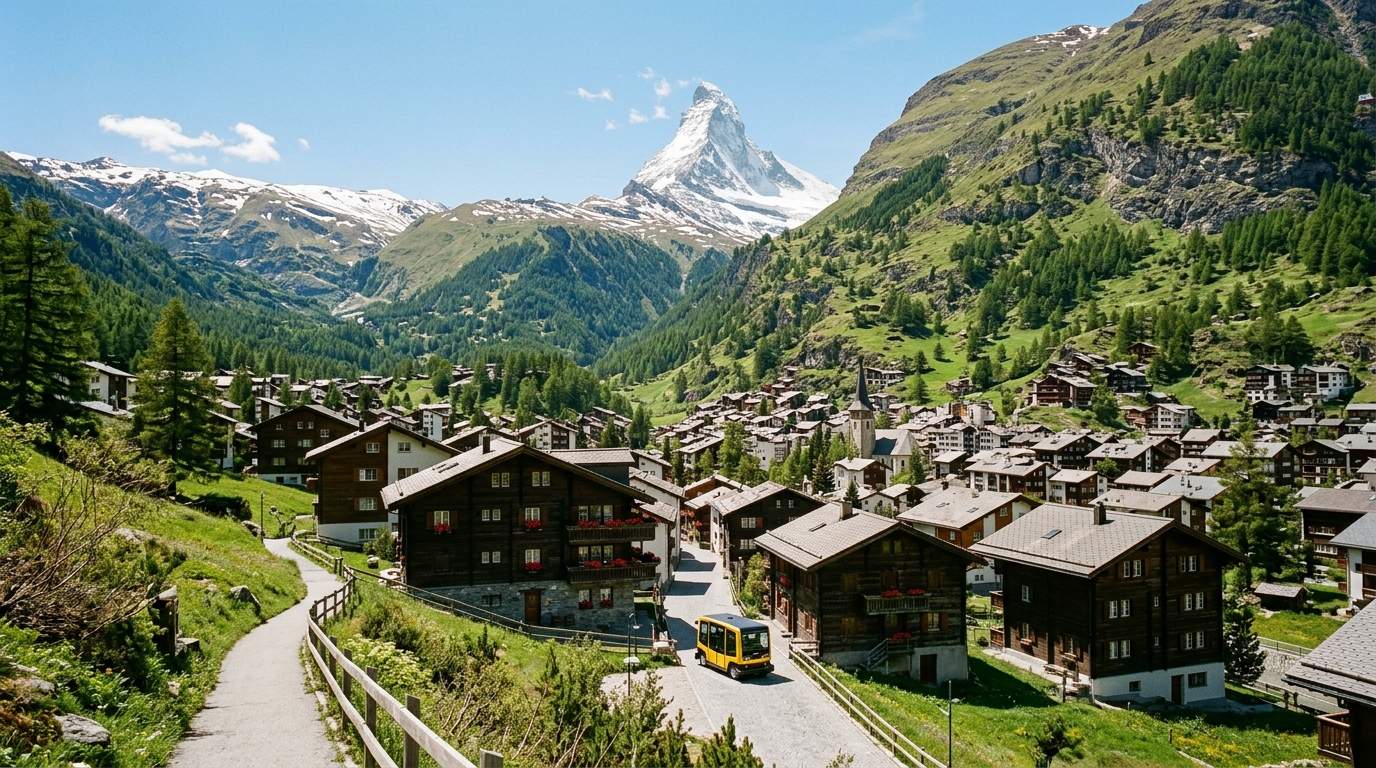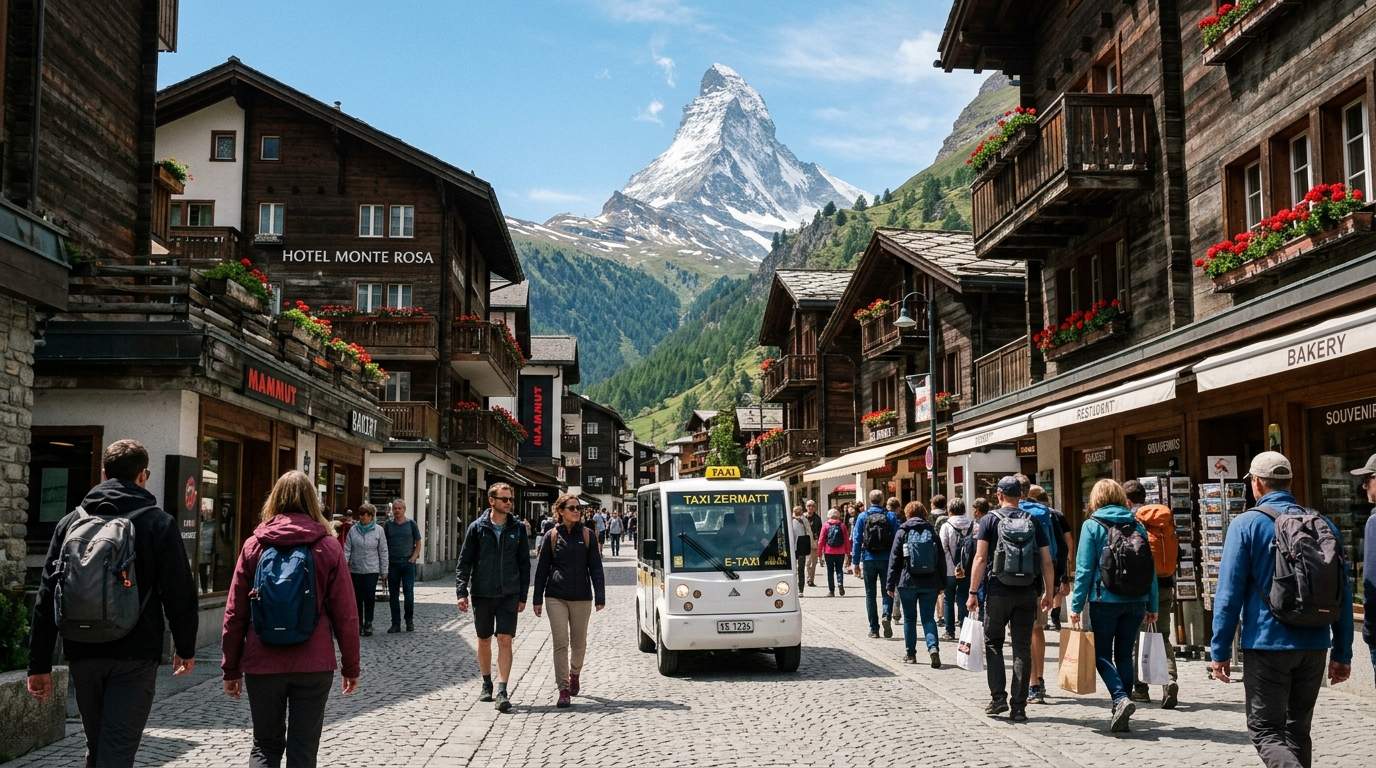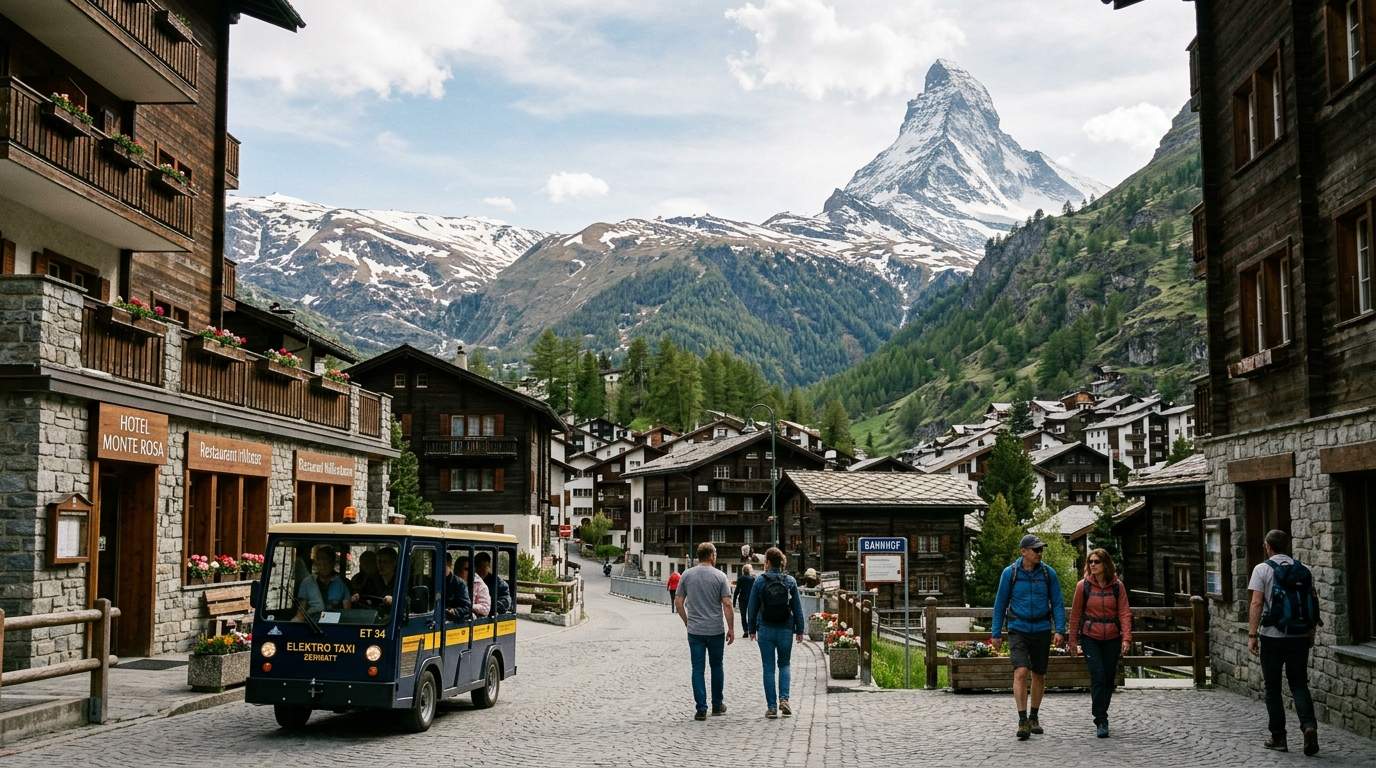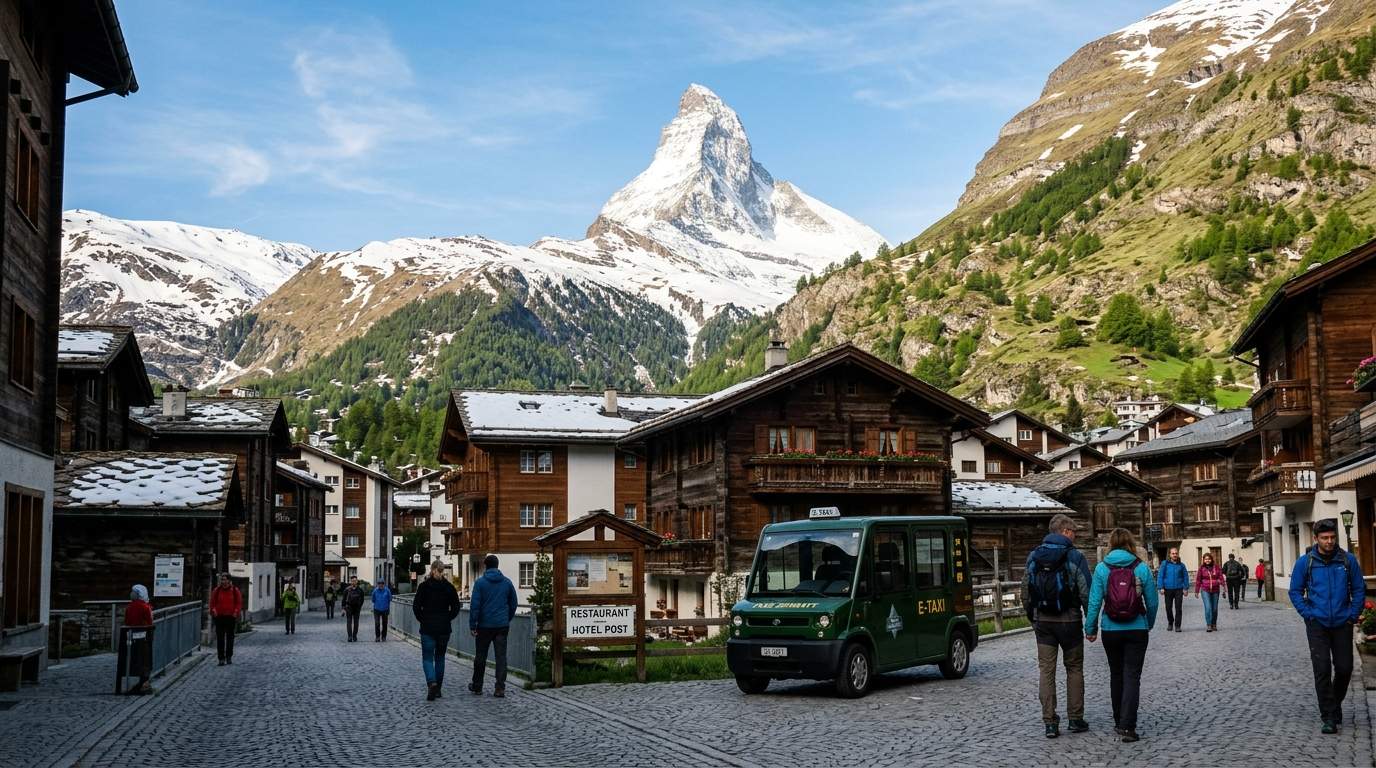
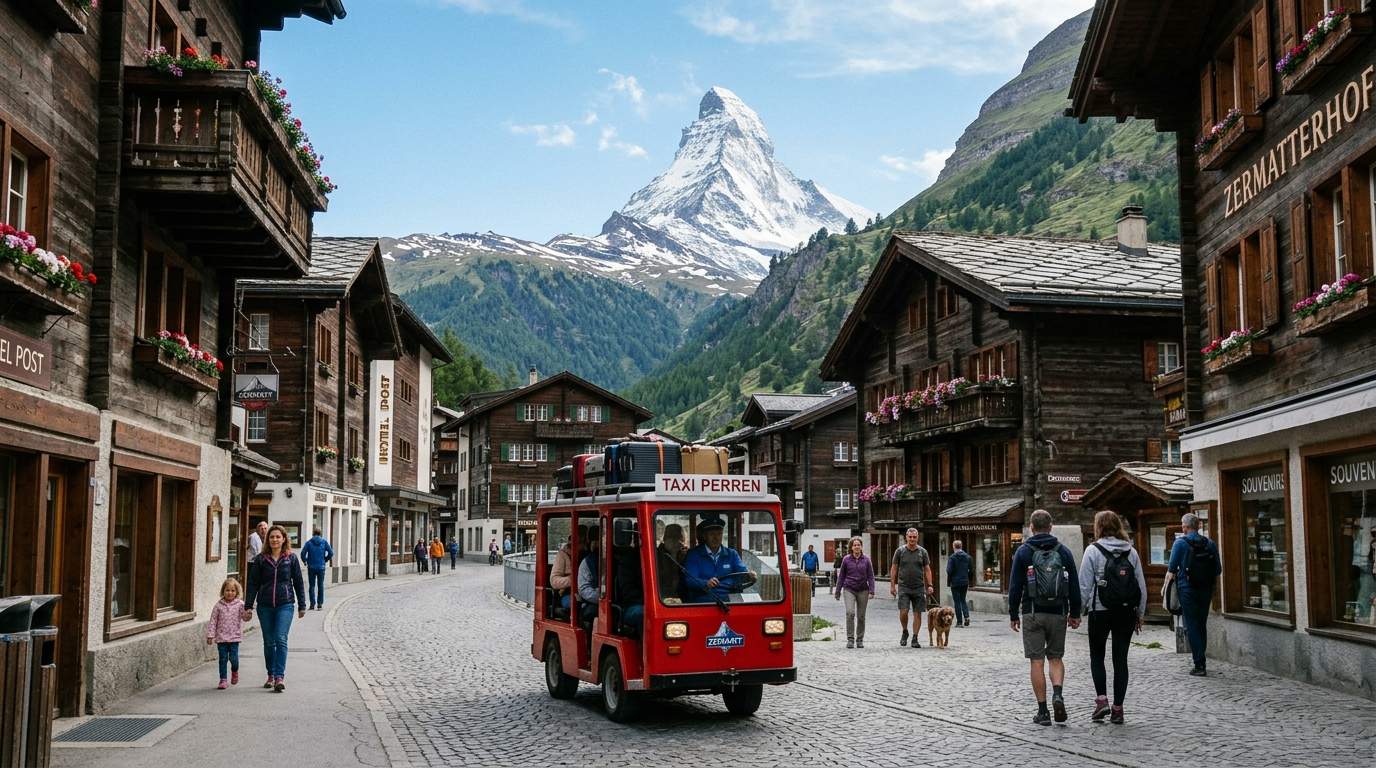
To keep the air crystal clear, Zermatt banned all combustion engines back in 1966. You have to park your car miles away and take a train in, where the only vehicles allowed are tiny, silent, box-shaped electric taxis that look like they belong in a 1970s sci-fi movie. For an American used to driving everywhere, it’s a jarring, almost unsettling experience to arrive in a town where the loudest sounds are cowbells and the crunch of snow underfoot. You haul your luggage onto a train, then likely transfer it to one of those miniature electric buggies, all while the Matterhorn stares down at you, impossibly close. This isn't just a quirky local ordinance; it's a fundamental part of Zermatt’s identity, dictating everything from your arrival to the very air you breathe.
Now, let's address the elephant in the Swiss Alps: Zermatt, and indeed most of Switzerland, isn’t exactly a budget destination. If you come expecting bargain-basement prices, you’ll be in for a shock that rivals the first glimpse of the Matterhorn. That said, "expensive" doesn’t have to mean "impossible" for the savvy American traveler. The real cost isn't just in francs; it’s in opportunity. You’re paying for pristine air, unparalleled views, and an infrastructure that runs with Swiss precision. Still, my strategy for tackling Zermatt without emptying the bank involved embracing the local grocery stores – Coop and Migros become your best friends for picnic lunches, water, and even basic ingredients if your accommodation has a kitchenette. A self-made sandwich with a view of the Matterhorn tastes exponentially better (and cheaper) than any restaurant meal.
Your journey to this car-free haven invariably begins in Täsch, a small village about five kilometers down the valley. This is where the combustion engine dream dies, quite literally. You park your rental car in a massive multi-story garage – expect to pay around 16 CHF per day for the privilege – then hop on a shuttle train that runs every 20 minutes. It’s a short, scenic ride, but planning for this transfer time, especially with luggage, is crucial. For those flying into Zurich or Geneva, the train journey to Zermatt is a magnificent experience in itself, easily taking 3.5 to 4 hours from the airport. Factor in transatlantic flight time (often 8-10 hours direct to Switzerland), and you’re looking at a full day of travel just to get to the base of the Matterhorn. Don’t expect to roll in after an overnight flight and immediately hit the trails; allow yourself a day to acclimatize to the altitude and the sheer majesty.
Visiting between March and June offers a dynamic palette of experiences, but also requires flexibility. March still clings to winter, offering prime skiing with fewer crowds towards the end of the month, and potentially better shoulder-season deals on lodging. The village will be quieter, but many higher hiking trails will still be under snow. By April and May, you’re in the heart of the shoulder season. This can be fantastic for budget travelers willing to gamble on the weather: you might get sunny days perfect for lower-altitude hikes, or a sudden late-spring snowfall. This is when the valley floor starts to green, but the peaks retain their snowy caps – a stunning contrast. June ushers in the full summer season, meaning more trails are open, temperatures are warmer, and the valley is lush. However, with summer comes more crowds and higher prices for everything from hotels to lift tickets. My advice: aim for late May or early June if you want the best balance of open trails, decent weather, and manageable crowds before the peak season frenzy.
Beyond the obvious cable car rides up Gornergrat or Matterhorn Glacier Paradise, Zermatt hides some truly rewarding, less-trodden paths. A personal favorite is the Gorner Gorge (Gornerschlucht). It’s a short walk from the village, and for a small fee, you can wander along wooden walkways suspended through a narrow, dramatic gorge carved by the Gornera river. The sheer power of the water and the cool, damp air offer a refreshing break, especially on a warmer day in late spring. It’s far less crowded than the main attractions and provides a different kind of natural beauty.
Another overlooked gem is the hike to Schwarzsee. While many head directly to the highest points, Schwarzsee offers some of the most iconic Matterhorn reflections without the intense crowds. Take the gondola up, then explore the trails around the tranquil lake. You'll find fewer people, quieter moments, and stunning photographs of the Matterhorn mirrored in the water, especially in the early morning or late afternoon. It’s a more intimate encounter with the famous peak. And for an authentic culinary experience that doesn’t scream "tourist trap," seek out a traditional restaurant in one of the hamlets above Zermatt, like Findeln. Restaurants like Findlerhof, while not strictly "budget," offer incredible food and views after a rewarding hike, immersing you in a slice of genuine Swiss alpine life away from the main village bustle. This is where you might feel the true Zermatt, where the silence is broken only by cowbells and the wind.
The greatest pitfall for American travelers is underestimating the costs – not just for lodging and food, but for the essential mountain lifts. Those scenic gondola and train rides add up quickly. Consider investing in a Swiss Half Fare Card or a Swiss Travel Pass if you plan on significant train travel across Switzerland; the discounts on mountain transport can be substantial. Also, don't overpack. You'll be walking everywhere, and those tiny electric taxis are not built for excessive luggage. Pack light, pack layers, and wear comfortable, sturdy shoes – you’ll be doing a lot of hiking. Zermatt offers an unparalleled alpine experience, a clean-air sanctuary where the Matterhorn holds court. It demands a bit more planning and a sharper eye on the budget, but for those willing to embrace its unique pace and pristine environment, the rewards are immeasurable.