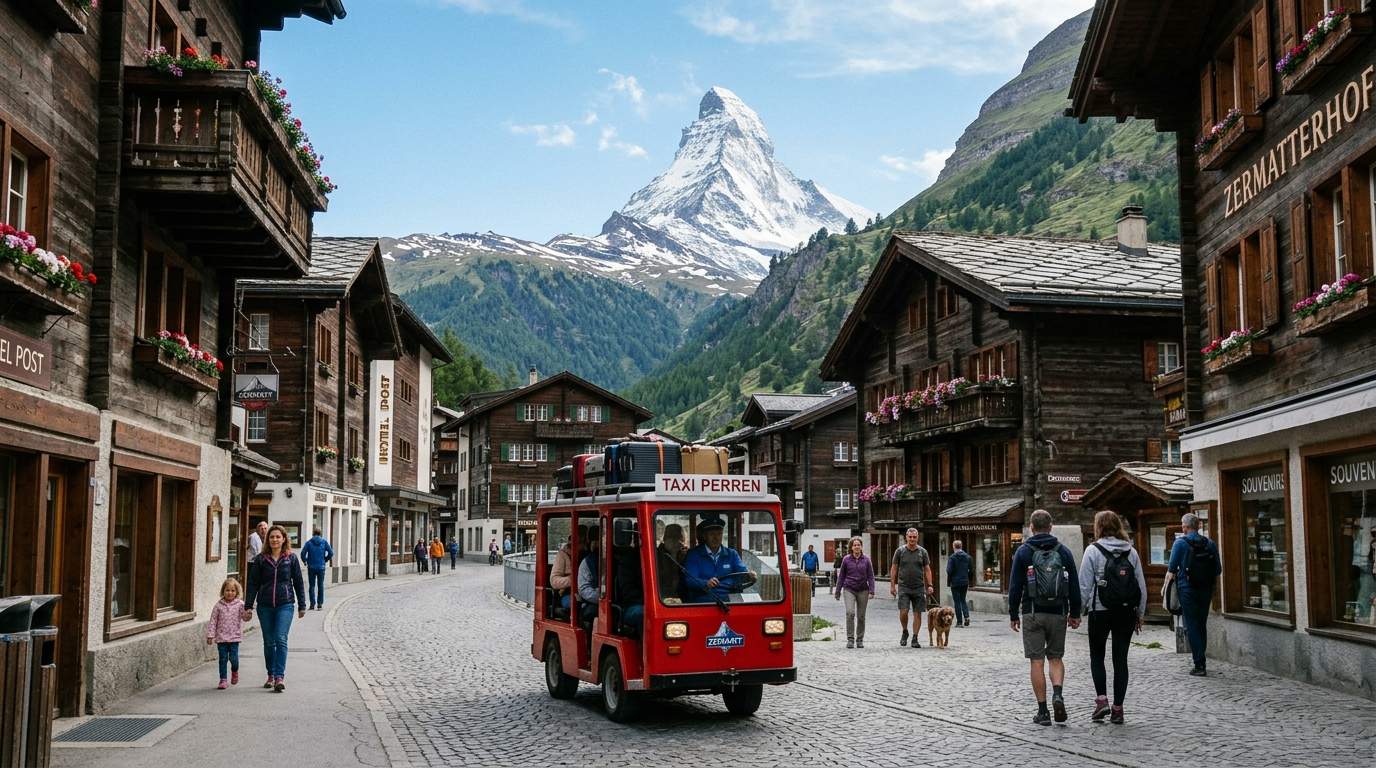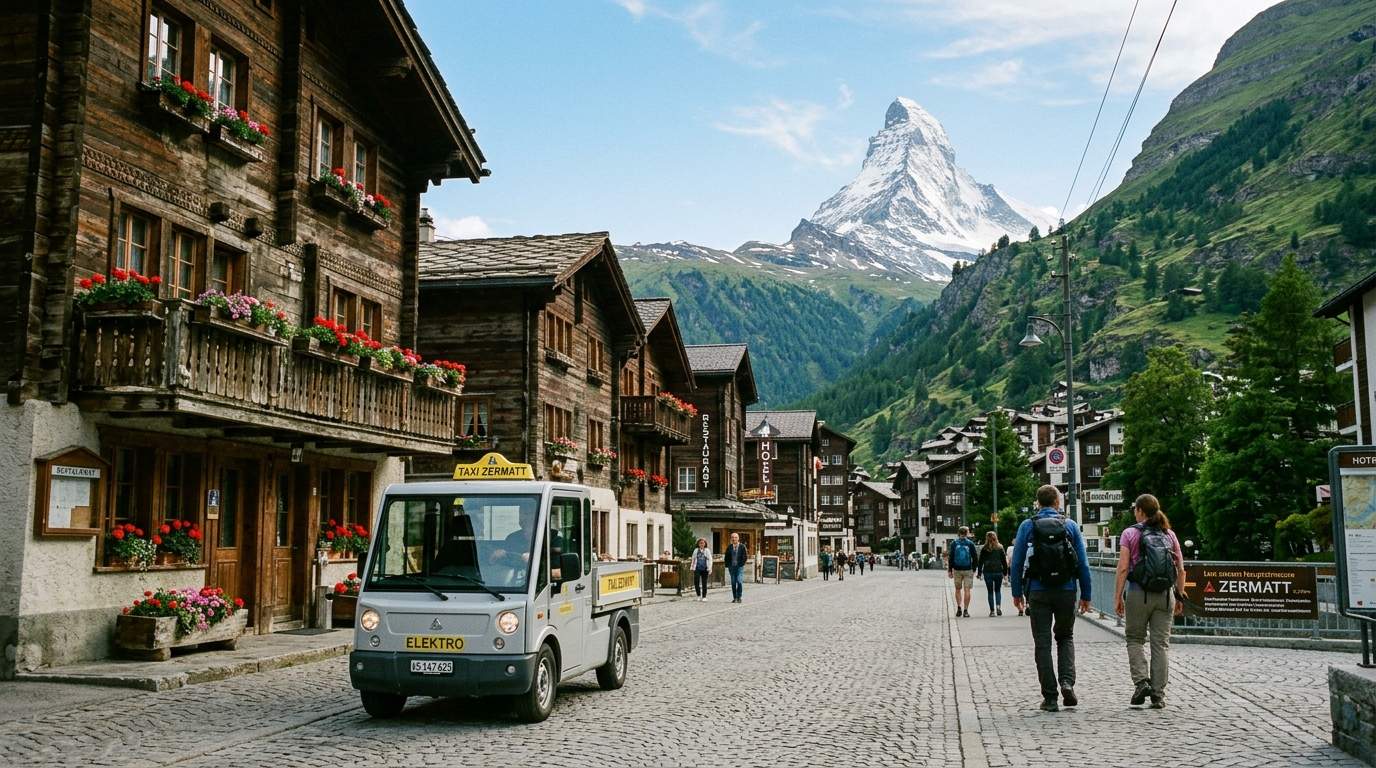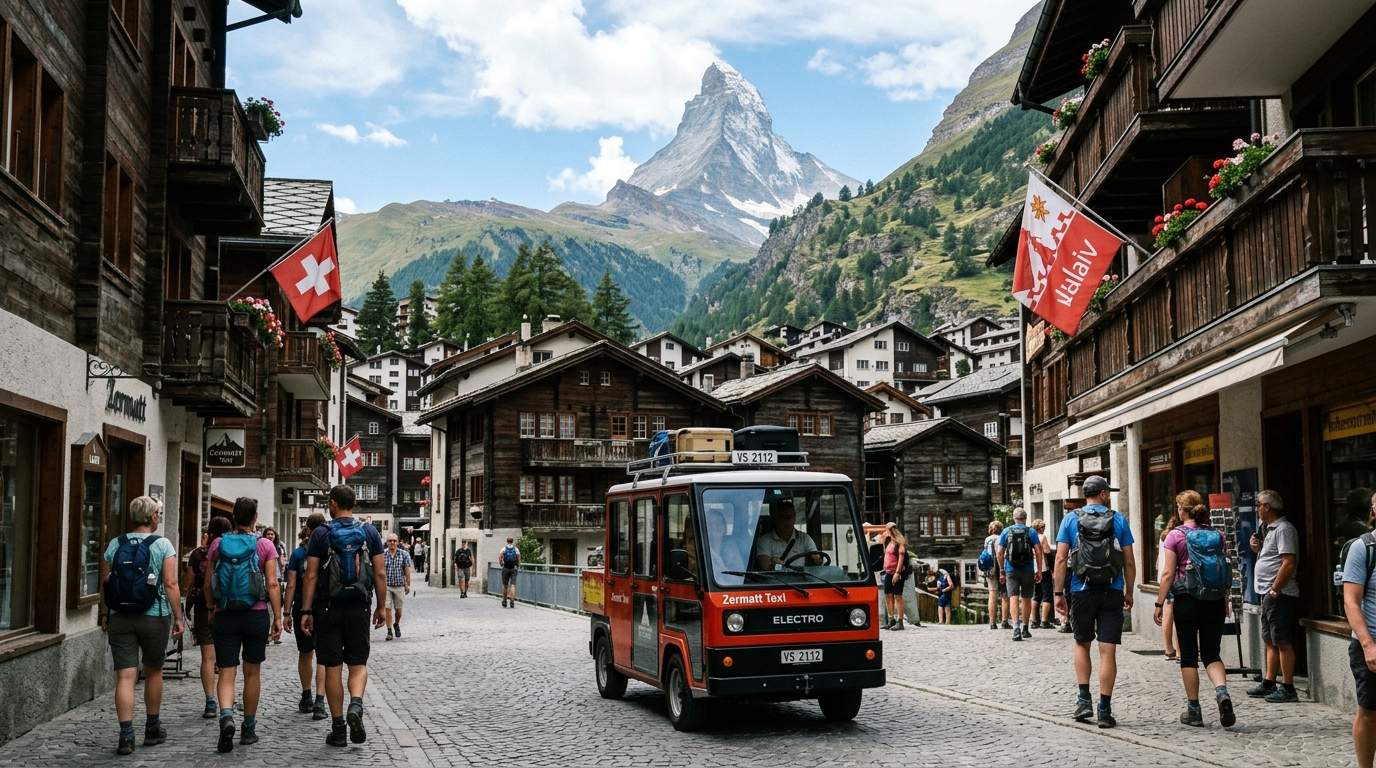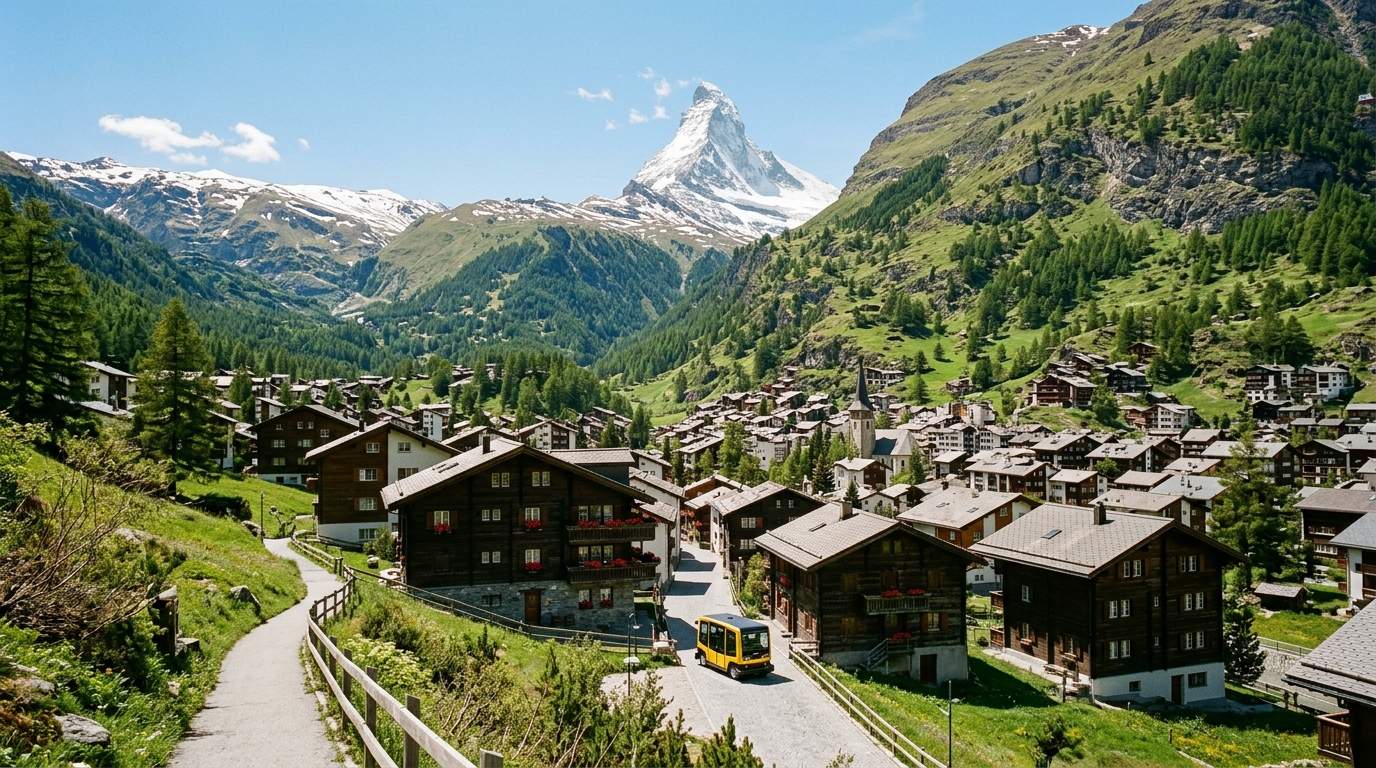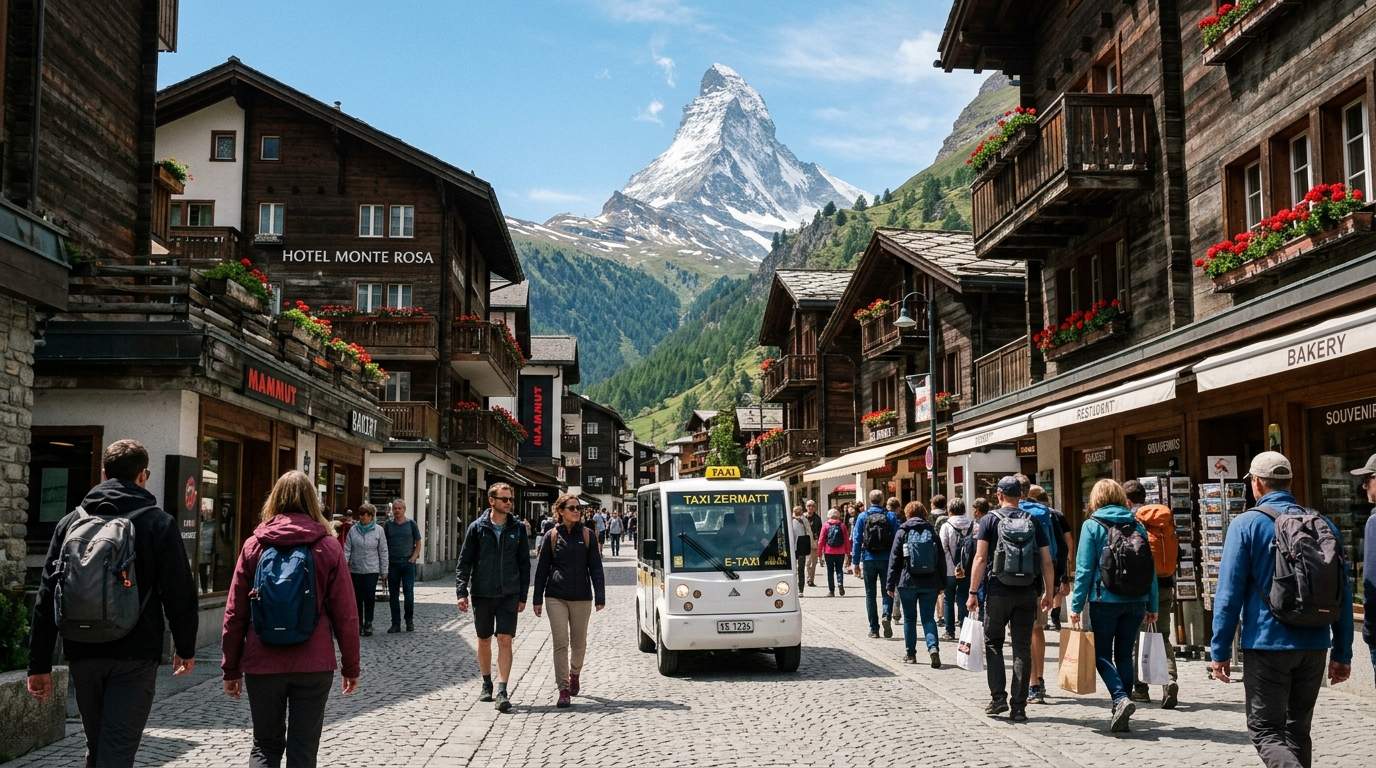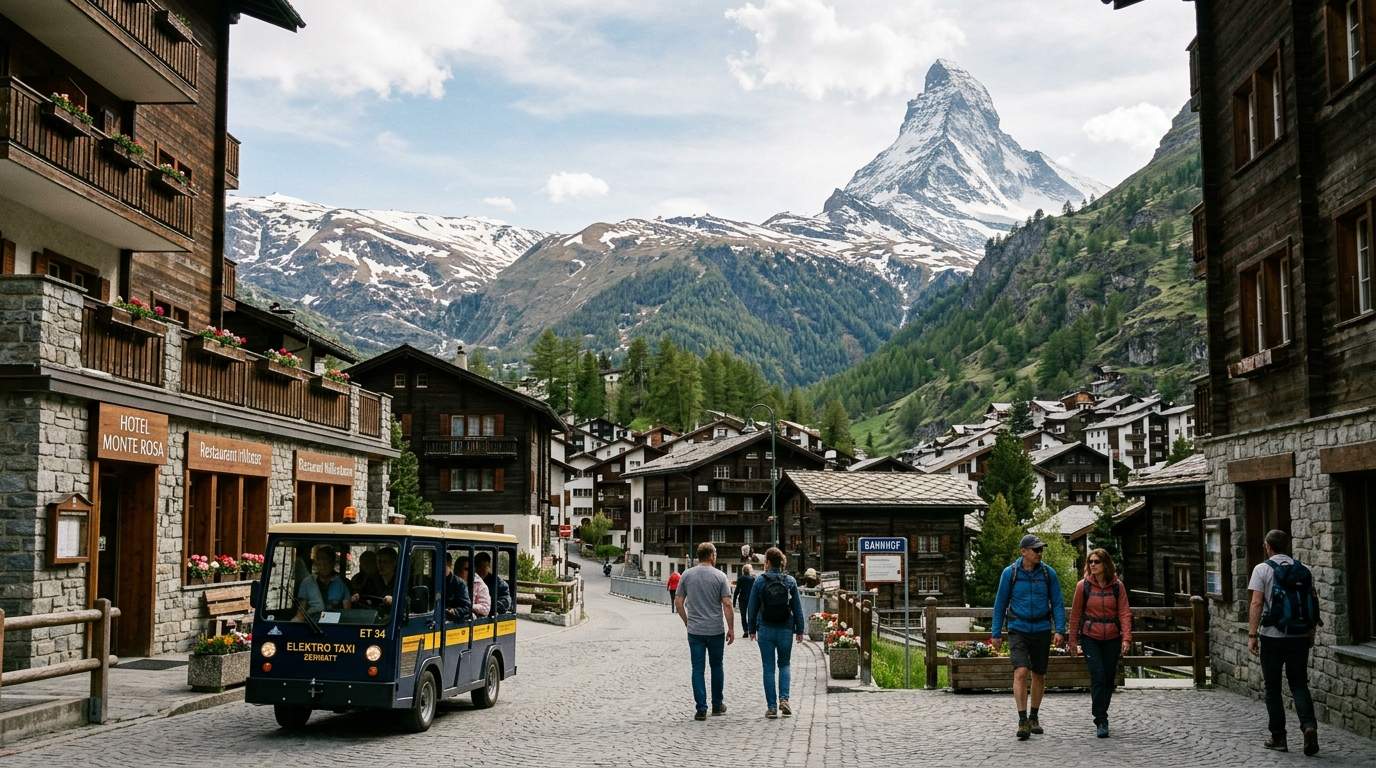
To keep the air crystal clear, Zermatt banned all combustion engines back in 1966. You have to park your car miles away and take a train in, where the only vehicles allowed are tiny, silent, box-shaped electric taxis that look like they belong in a 1970s sci-fi movie. This isn't just a quirky local ordinance; it's the fundamental truth of experiencing Zermatt, a truth that shapes everything from your arrival logistics to the quality of the air you breathe. When you step off the train from Täsch, the first thing that hits you isn’t the crisp mountain air, but the profound silence – a stark, almost disorienting contrast to the honking, sputtering chaos of pretty much every other tourist-heavy destination on earth.
Parking your vehicle in Täsch is your initiation fee to Zermatt’s car-free utopia. It’s a 12-minute train ride that costs around 8.20 CHF (Swiss Francs, roughly $9.20 USD) each way, and it's non-negotiable. Don't even think about trying to bluff your way in; the Swiss take their rules seriously. What you get in return, though, is a genuinely unique, traffic-free pedestrian village where the only sounds are distant cowbells, flowing water, and the gentle whir of those electric vehicles that ferry luggage and people with an eerie, almost futuristic efficiency. This setup, while initially requiring a bit of logistical planning, ultimately enhances the serene Alpine experience exponentially, providing an immediate, clear contrast to the often-overrated "convenience" of driving everywhere.
Let's be blunt: Switzerland can drain your wallet faster than a rogue cuckoo clock, but Zermatt, especially during the shoulder seasons of March through June, offers surprisingly clever ways to keep your francs where they belong. While the full ski season crowds of winter have thinned by March, and the peak summer hiking season hasn't quite hit its stride until July, these months are a sweet spot. Expect hotel prices to dip, particularly in late spring, and the trails to be less congested. From March into April, you might still catch some fantastic spring skiing with sunny days, while May and June transform the lower valleys into lush green hiking paradises, often with snow still clinging dramatically to the higher peaks. The weather during this period is a glorious mixed bag, demanding layers; you could start your day in a t-shirt and end it with a fleece and rain jacket.
Actual travel time from the U.S. will eat up a significant chunk of your trip. Figure a full day of flying and connecting to get to Zürich or Geneva, then another 3-4 hours by train to Täsch, and finally the local Zermatt shuttle. This isn't a quick weekend jaunt; budget at least 7-10 days to make the travel worthwhile, focusing on experiences rather than trying to cram everything in. A crucial money-saving tip: leverage Swiss supermarkets like Coop or Migros. Breakfast and lunch can easily be self-catered with fresh bread, cheese, and local cold cuts for a fraction of restaurant prices. Pack a picnic for your hikes – the views are better than any restaurant, and your wallet will thank you.
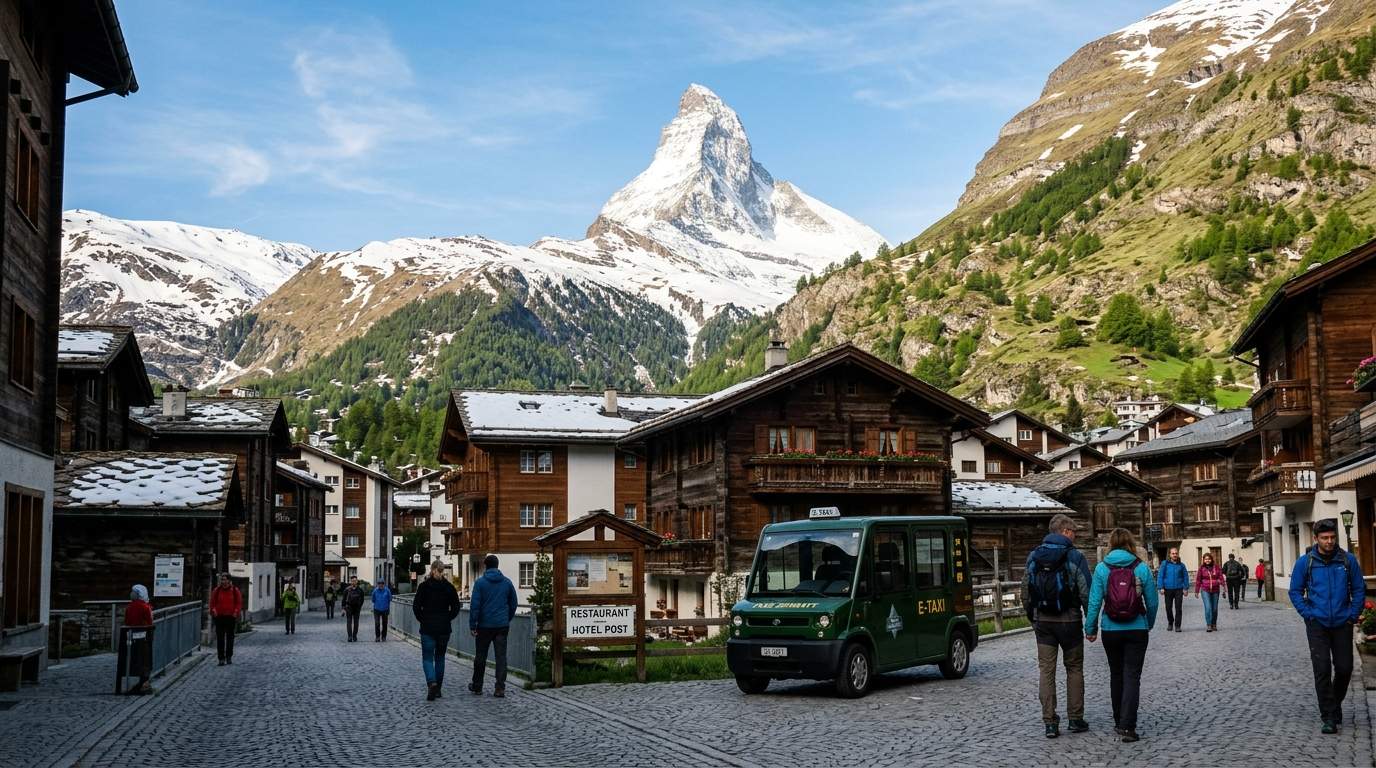
Beyond the famous Gornergrat and Matterhorn Glacier Paradise – which are stunning but come with hefty price tags and crowds – Zermatt holds several lesser-known, genuinely rewarding experiences. First, venture into the Zmutt Valley. A leisurely hour's walk from the village brings you to Zmutt, an authentic Walser hamlet seemingly untouched by time. You'll find rustic chalets, a tiny chapel, and incredible, less-photographed views of the Matterhorn from a different angle. It's a genuine slice of traditional Alpine life, without the busloads of tourists.
Another overlooked gem is an early morning pilgrimage to Stellisee or Riffelsee for the iconic Matterhorn reflection shot. Most people head up later in the day, but the absolute best light and calmest water happen just after sunrise. Yes, it means an early start and a cold journey up the mountain railway, but standing there in near solitude, watching the Matterhorn mirror itself perfectly in the still water, is a moment of profound, almost spiritual beauty that few others experience. Pack a thermos of coffee, and you'll feel like you've unlocked a secret level of Zermatt.
For those who crave a deep dive into local history, bypass the souvenir shops and spend an hour at the Zermatt History and Mountaineering Museum. Tucked away underground near the church, it’s a surprisingly engaging and somber recount of the Matterhorn’s climbing history, featuring original equipment, tales of triumph and tragedy, and a fascinating look at how Zermatt transformed from a farming village into a mountaineering mecca. It grounds your experience in the human endeavor that shaped this spectacular region, offering a quiet, reflective break from the grandeur outside.
Finally, don't underestimate the power of simply walking the network of trails directly accessible from the village, especially during May and June. The path to the Hörnlihütte base (not the summit climb, mind you) offers incredible vistas with fewer people than the railway-accessed viewpoints. Just walking a few kilometers up any of these paths reveals wild alpine meadows bursting with wildflowers, babbling brooks, and the kind of panoramic silence that truly defines the car-free Zermatt experience. The truth about Zermatt isn’t just about its lack of cars; it’s about the profound sense of peace and connection to nature that absence enables, a genuine, invaluable luxury in our increasingly noisy world.