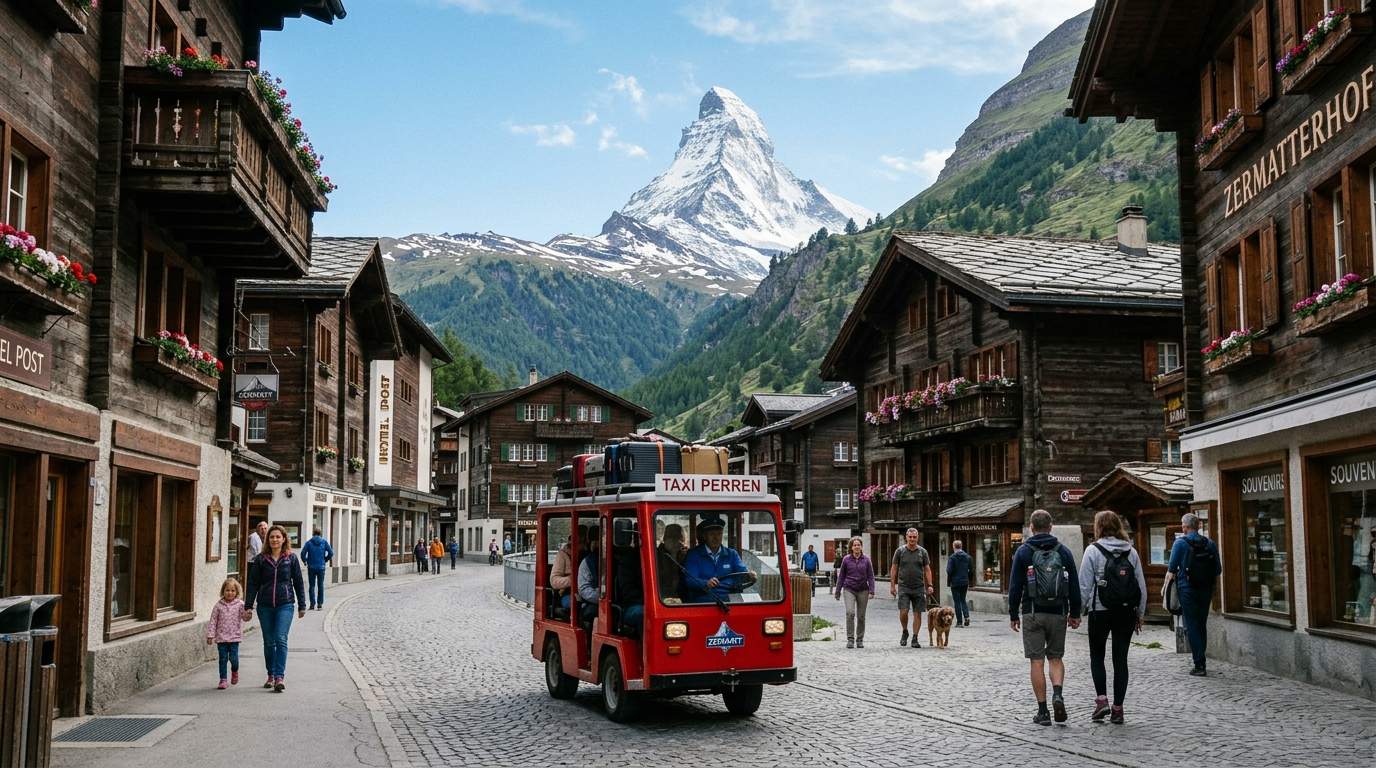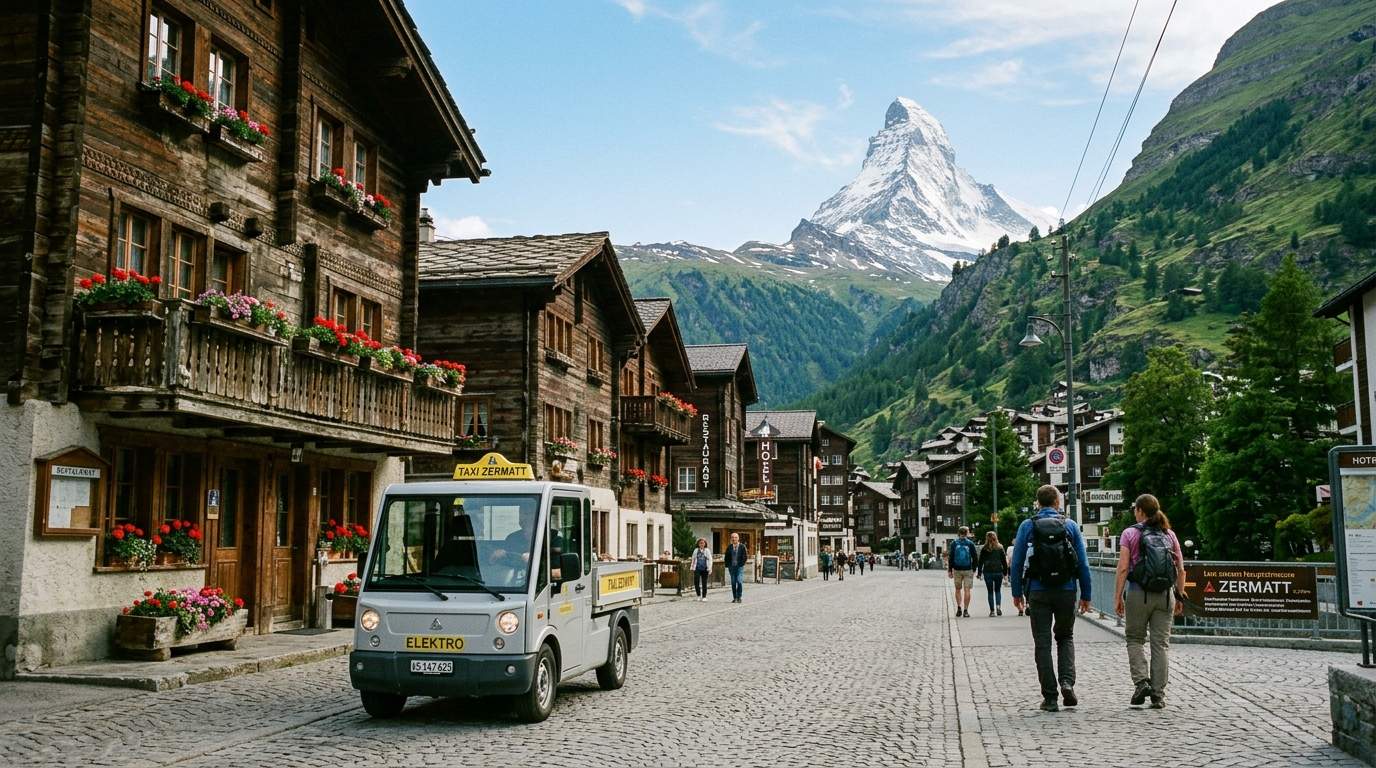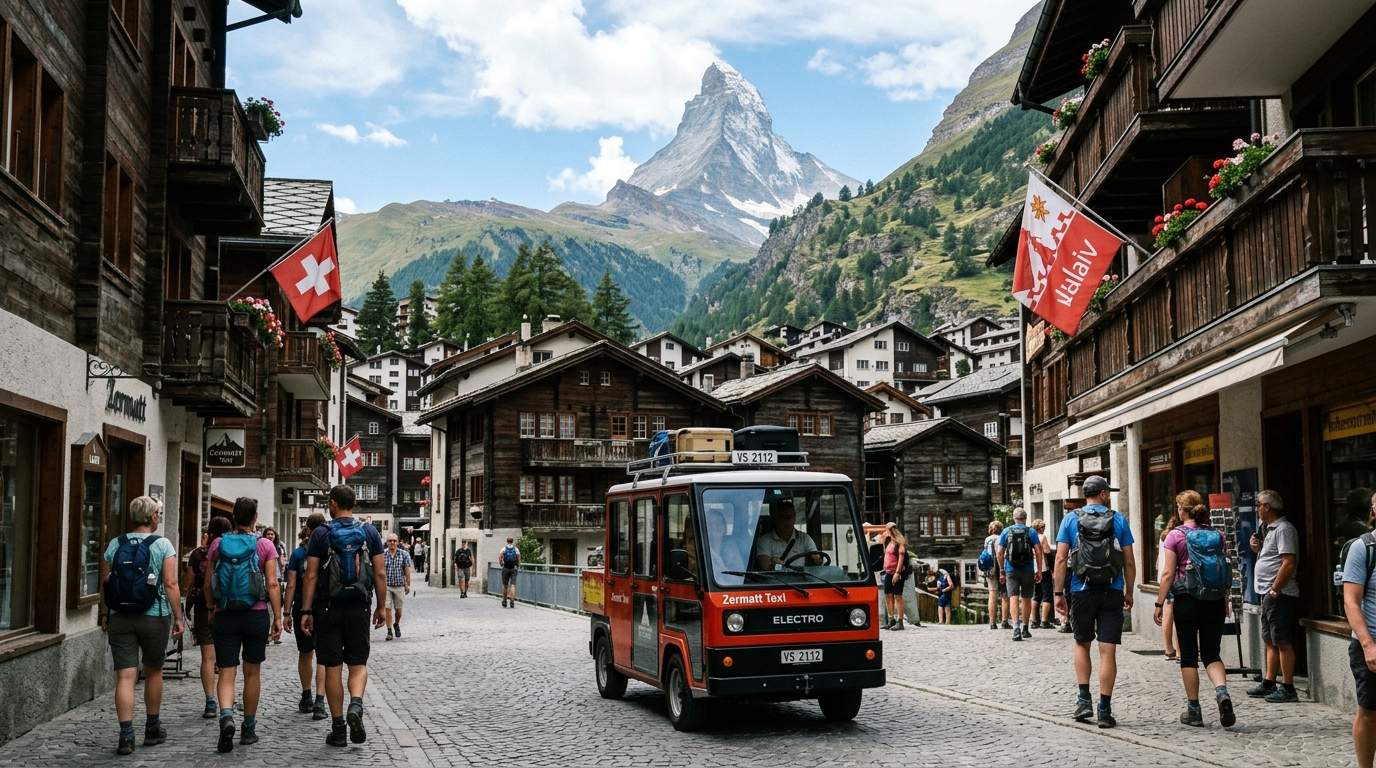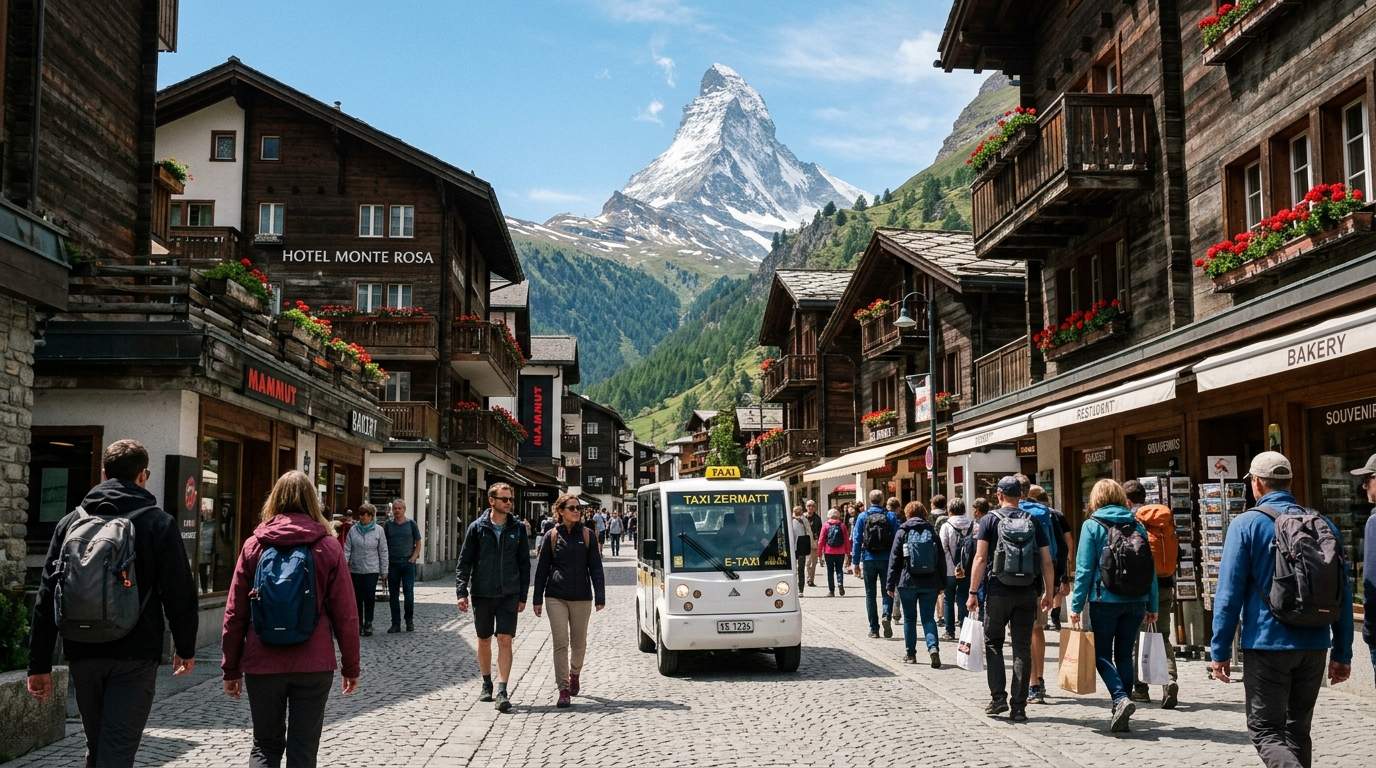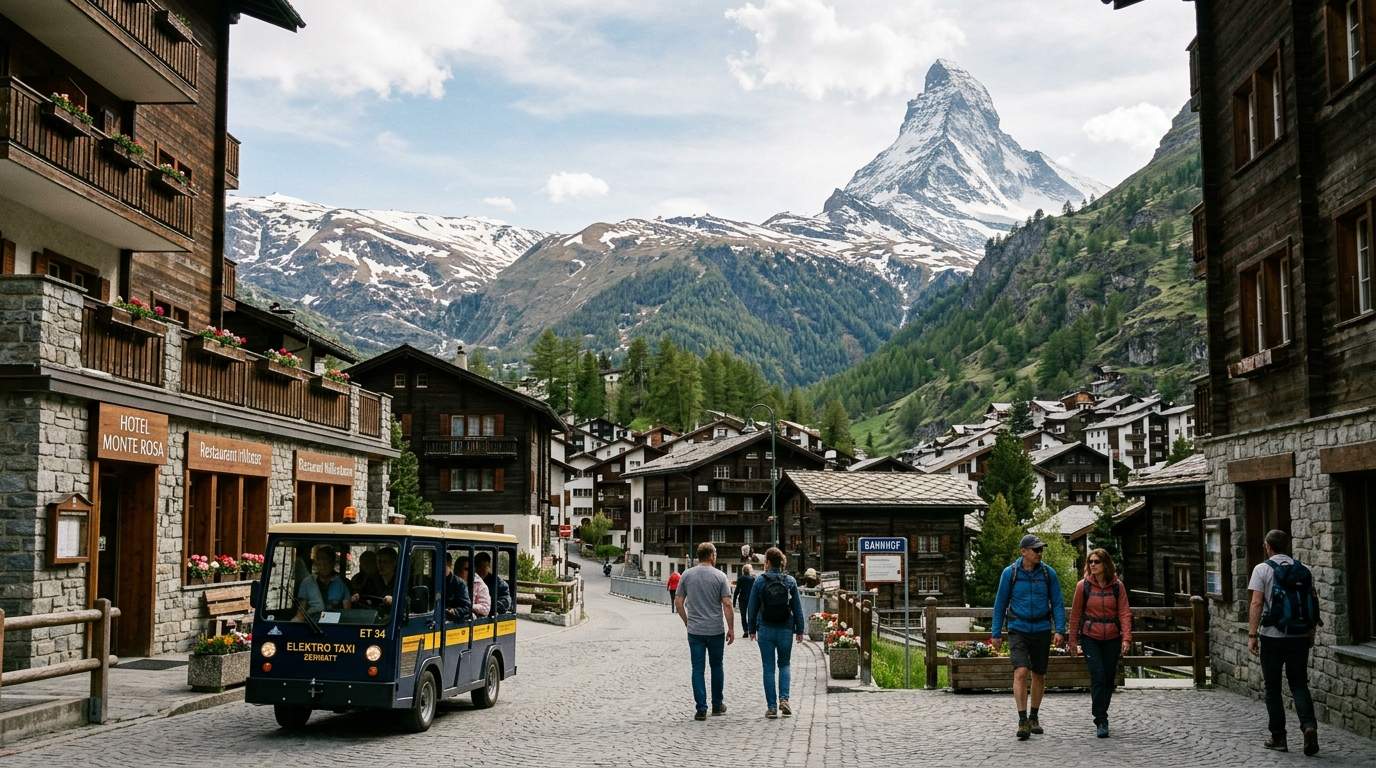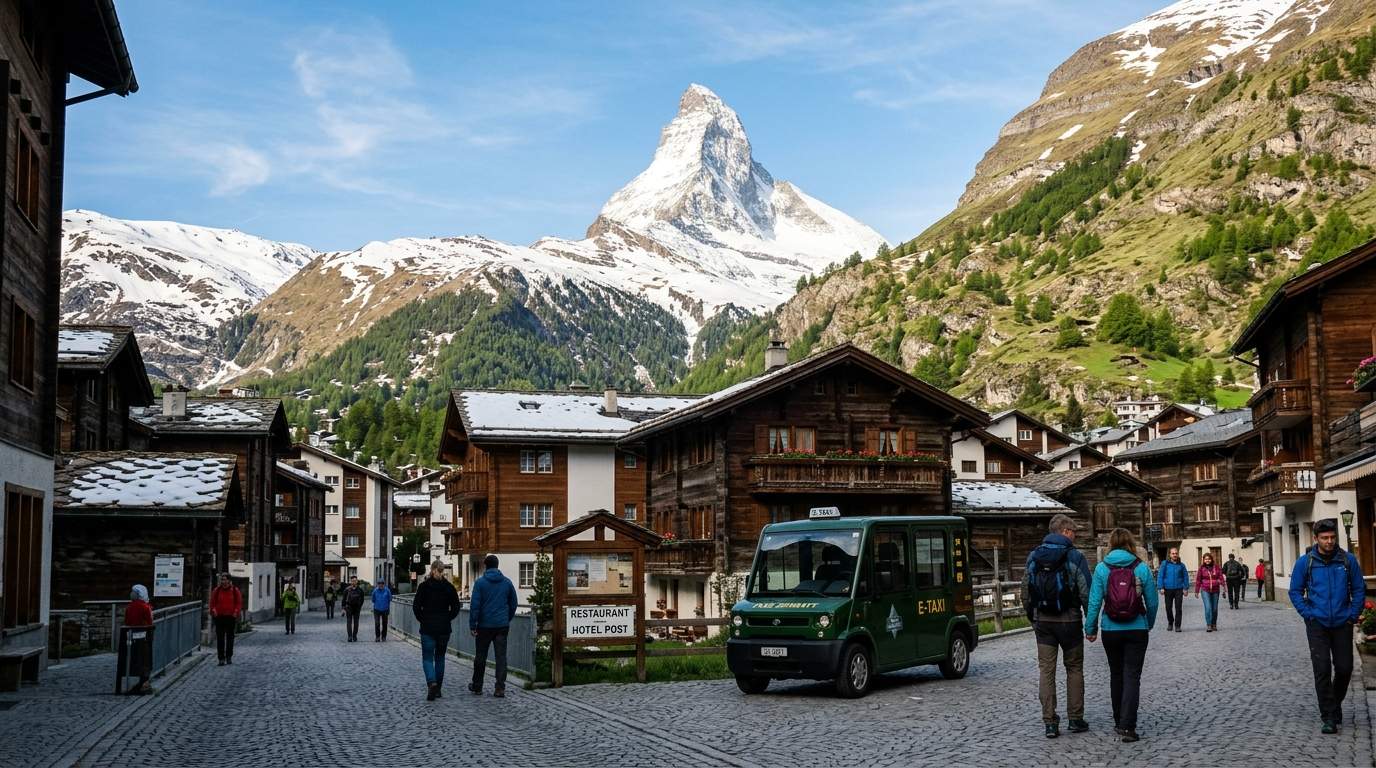
Instead of the familiar roar of an engine or the whine of tires, Zermatt greets you with an almost unsettling silence, broken only by the distant chime of cowbells and the gentle whir of what can only be described as oversized, futuristic golf carts. To keep the air crystal clear, this famed Alpine village, nestled at the foot of the iconic Matterhorn, banned all combustion engines back in 1966. You arrive by train, having parked your own car miles away in Täsch, and step into a world where the only vehicles allowed are these tiny, silent, box-shaped electric taxis that genuinely look like they belong in a 1970s sci-fi movie, a stark, beautiful contrast to the ancient mountains towering above.
This strict, half-century-old decree isn't just a quirky local regulation; it's the very soul of Zermatt's allure, an environmental masterpiece that fundamentally reshapes the visitor experience. Unlike many other picturesque Alpine towns that now grapple with traffic congestion and exhaust fumes tainting their postcard-perfect views, Zermatt breathes. The air here doesn’t just feel clean; it feels alive, crisp enough to invigorate your lungs with every breath, and the absence of constant traffic noise allows the sounds of nature – gushing streams, birdsong, the occasional distant avalanche rumble – to truly penetrate the senses.
Your journey to this pristine haven from the American continent is itself part of the adventure, typically involving a transatlantic flight into Zurich or Geneva, followed by a seamless, picturesque Swiss train ride that culminates in Täsch. Expect a full day of travel, often 10-12 hours door-to-door, so timing your arrival to allow for daylight views of the changing landscape from the train window is a small but worthwhile luxury. The Swiss Federal Railways (SBB) is a marvel of efficiency, making the transition from international airport to mountain village remarkably smooth, provided you plan your connections.
Parking your rental car in Täsch's massive multi-story garage is unavoidable, costing around 16 CHF per day – a budget line item you simply cannot circumvent. From there, a dedicated shuttle train whisks you the final 3 miles into Zermatt, running frequently and costing about 8.20 CHF round trip. Once in Zermatt, navigating the charming cobblestone streets is primarily done on foot, which is not only free but the best way to soak in the atmosphere. For longer distances or with luggage, those unique electric taxis are readily available, though their rides are predictably pricey, often starting around 15-20 CHF for short trips within the village. Alternatively, Zermatt also operates electric buses, offering a more budget-friendly way to reach the edges of the village or starting points for certain cable cars.
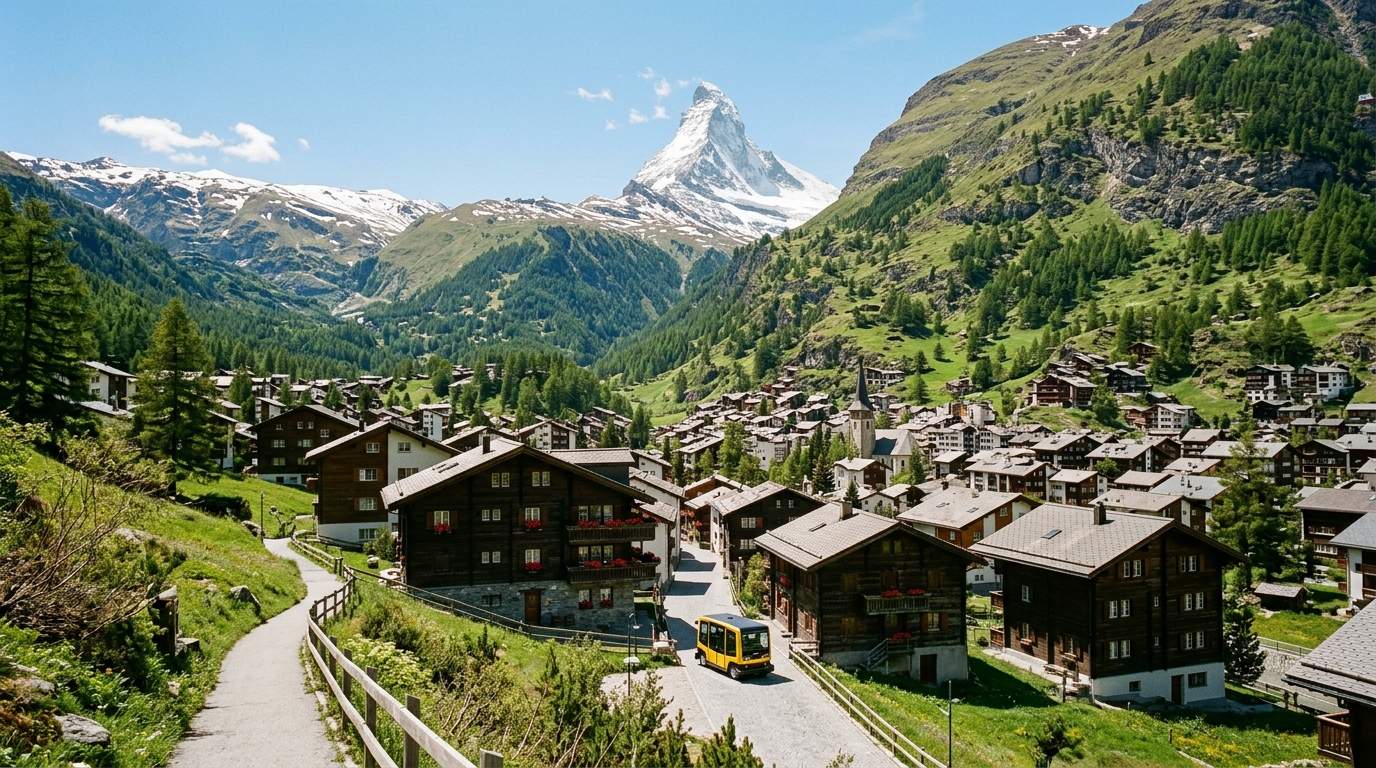
Visiting between March and June offers a unique tapestry of experiences, a transition period that sidesteps the peak winter ski crowds and the intense summer hiking rush, often yielding better value. March still feels like winter's tail end, with ample snow for higher-altitude skiing and brisk, clear days contrasting with quiet evenings. By April and May, the valley floors begin to shed their white blanket, revealing vibrant green pastures dotted with early wildflowers, while the Matterhorn remains majestically snow-capped, creating incredible photographic contrasts. June fully embraces early summer, with most hiking trails open, lush landscapes, and longer daylight hours, though prices begin to tick up slightly as the summer season approaches.
Expect unpredictable weather during these shoulder months; it's not uncommon to experience all four seasons in a single day. A bright, sunny morning can quickly give way to a crisp afternoon shower or even a late-season snowfall, especially at higher elevations. Layering is not just recommended; it’s an absolute necessity. Pack waterproof outerwear, sturdy hiking boots (essential for uneven terrain and potential mud), and a mix of warm and lighter clothing. This period is a traveler's paradox: fewer crowds often mean better chances for quiet contemplation, but the trade-off is often fickle weather.
Prepare for Swiss sticker shock – it’s a national pastime, not a myth. Accommodation is usually your biggest splurge, but staying slightly outside the immediate village center or opting for a guesthouse (often called a 'Pension' or 'B&B') can trim costs significantly. Self-catering is your best friend here: the local Coop and Migros supermarkets offer surprisingly good quality and variety. Buying fresh bread, local cheeses, and meats for a picnic lunch with an unbeatable Matterhorn backdrop can save you a fortune compared to dining out, where even a simple pizza can easily set you back 25-30 CHF. Even a beer in a restaurant can be 8 CHF or more.
While Zermatt’s lift systems offer unparalleled access to high-alpine vistas, these panoramas come at a price, often 40-60 CHF for a single return trip. Prioritize which iconic viewpoints you absolutely must see (Gornergrat and Rothorn are perennial favorites). Consider purchasing a Peak Pass if you plan multiple cable car journeys over several days, as it offers a small discount. A common pitfall is underestimating the cost of basic services and impulse purchases – that charming souvenir or spontaneous coffee stop adds up quickly. Always carry a refillable water bottle; tap water is delicious and free, saving you from expensive bottled alternatives.
Beyond the widely publicized cable car rides, Zermatt harbors truly special, less-crowded experiences. For instance, the Five Lakes Walk (5-Seenweg), particularly captivating from late May when the snow melts, offers breathtaking reflections of the Matterhorn in the pristine waters of Stellisee, Grindjisee, Grünsee, Moosjisee, and Leisee. This relatively easy 2.5-hour hike, accessible via the Sunnegga funicular, provides multiple opportunities for those quintessential Matterhorn reflection shots, often with fewer fellow photographers vying for the perfect angle compared to the Gornergrat. The natural beauty here feels more intimate, a peaceful communion with the mountain.
Delve beneath the surface – quite literally – at the Matterhorn Museum Zermatlantis, an subterranean journey located in the heart of the village. This isn't just another dusty collection of artifacts; it’s an immersive experience that recreates historic Zermatt, tells the gripping tales of the first Matterhorn ascent and its tragic aftermath, and provides context for the village’s unique history. It offers a fascinating rainy-day alternative and deepens appreciation for the mountain and the resilience of the people who have lived in its shadow for centuries, revealing the human drama behind the postcards.
For a different kind of natural wonder, embark on the walkable Gorner Gorge (Gornerschlucht), a short but spectacular detour easily reached from Zermatt. Even in spring, when some higher trails might still be snow-bound, this geological marvel is accessible, allowing you to traverse wooden walkways suspended within a narrow, rushing chasm carved by glacier meltwater. The sheer power of the water and the intricate rock formations, often draped with moss and spray, offer a visceral, almost primeval experience, a stark contrast to the vast open landscapes, and often overlooked in favor of the more famous panoramic views.
Zermatt is more than just a picture-perfect backdrop for the Matterhorn; it’s a living testament to a radical environmental decision that pays dividends in unparalleled tranquility and clean air. The investment of time and money, while significant, is repaid in an experience that feels uniquely preserved, almost a glimpse into a utopian mountain future envisioned half a century ago. Here, the absence of a car isn't an inconvenience; it's the quiet, confident promise of an unfiltered Alpine encounter, a place where the majestic silence truly speaks volumes.